
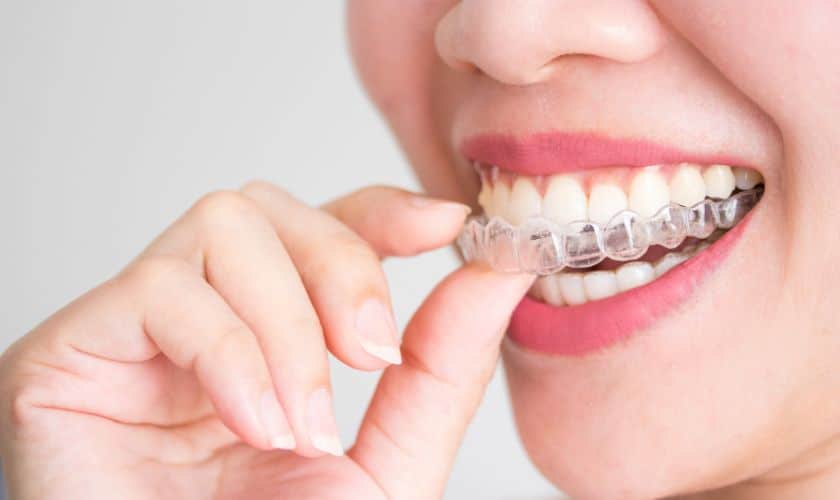
In today’s world of advanced orthodontics, Invisalign has become a popular choice for individuals seeking a discreet and convenient way to straighten their teeth. Whether in Stillwater or anywhere else, Invisalign offers a virtually invisible solution to achieving a beautifully aligned smile. But have you ever wondered how Invisalign works its magic to move your teeth into their desired positions gradually? In this comprehensive guide, we’ll delve into the fascinating world of Invisalign and explore the mechanisms behind how it moves your teeth step by step.
Understanding Invisalign
Invisalign is an orthodontic treatment that employs a series of clear, removable aligners to straighten misaligned teeth. Unlike traditional braces with metal wires and brackets, Invisalign aligners are transparent and made from smooth, comfortable plastic, making them nearly invisible. This modern approach to orthodontics has gained immense popularity for its convenience and aesthetics.
The Invisalign treatment process starts with a thorough assessment by an experienced orthodontist or dentist. They will determine if Invisalign is the right option for you and create a customized treatment plan tailored to your dental needs. This plan outlines the precise movements your teeth need to make to achieve your desired smile.
How Invisalign Aligners Work
Invisalign aligners work by exerting controlled, gentle force on your teeth, causing them to move slowly over time. To understand this process, let’s break down the key steps involved in how Invisalign aligners move your teeth:
- Customized Treatment Plan: Your orthodontist will take impressions, photographs, and digital scans of your teeth. Using advanced 3D imaging technology, they will create a customized treatment plan detailing the step-by-step movements your teeth need.
- Aligner Fabrication: Based on your treatment plan, a series of custom-made aligners are fabricated for you. These aligners are made from a BPA-free, clear plastic material, ensuring they fit snugly over your teeth.
- Gradual Teeth Movement: You’ll receive a set of aligners, each designed for a specific phase of your treatment. You’ll wear each set for approximately two weeks, 20-22 hours per day, removing them only when eating, drinking, brushing, and flossing. Each aligner in the series is slightly different, gradually shifting your teeth in small increments.
- Regular Check-Ups: Throughout your Invisalign treatment, you’ll have periodic check-up appointments with your orthodontist. Typically scheduled every 6-8 weeks, these visits allow your orthodontist to monitor your progress, ensure your teeth are moving as planned, and make any necessary adjustments.
- New Aligners: As you progress through your aligner series, you’ll advance to the next set. This cycle continues until you’ve completed the entire series and achieved the desired alignment of your teeth.
The Science Behind Tooth Movement With Invisalign
To better appreciate how Invisalign aligners move your teeth, it’s important to understand the scientific principles involved. The primary mechanism at play is the controlled application of force.
- Remodeling of Bone: When pressure is applied to a tooth, it results in a process known as bone remodeling. This process involves the gradual resorption of bone on one side of the tooth where pressure is applied and the deposition of new bone on the opposite side. Over time, this leads to the tooth moving toward the applied force.
- The Role of Periodontal Ligament: Within your mouth, each tooth is held in place by a periodontal ligament. This ligament acts as a cushion and allows for tooth movement. The gentle, consistent force exerted by Invisalign aligners stimulates the periodontal ligament to facilitate tooth movement.
- Biomechanics: Invisalign’s 3D imaging technology and meticulous treatment planning ensure precise and controlled force applied to your teeth. This precision is essential for predictable and efficient tooth movement.
Source: The Clear Institute
The Benefits of Invisalign’s Controlled Force
The controlled force applied by Invisalign aligners offers several benefits:
- Predictable Outcome: Invisalign treatment is carefully planned, allowing you to visualize the expected outcome before you begin. This level of predictability and precision ensures that your orthodontic goals are met.
- Comfort: Invisalign aligners are made from a smooth, comfortable plastic that reduces the risk of irritation or sores in your mouth, which can sometimes occur with traditional braces.
- Aesthetic Freedom: Invisalign aligners are virtually invisible, allowing you to maintain a natural-looking smile throughout your treatment. People may not even notice that you’re undergoing orthodontic treatment unless you tell them.
- Minimal Office Visits: Regular check-ups are necessary during Invisalign treatment, but they are generally less frequent than traditional braces. This can be particularly convenient if you have a busy schedule.
- Shorter Treatment Duration: Invisalign treatment can often be completed in a shorter time frame compared to traditional braces. The average treatment duration typically ranges from 12 to 18 months, but this can vary depending on the complexity of your case.
In conclusion, Invisalign’s innovative approach to tooth movement combines cutting-edge technology with precise planning and controlled force application. This method allows for a more comfortable and discreet orthodontic experience. So, in Stillwater or any other location, Invisalign can be the key to achieving the smile you’ve always dreamed of. If you’re considering Invisalign treatment, consult a qualified orthodontist or dentist to begin your journey to a beautifully aligned smile.