

General dentistry plays a pivotal role in maintaining optimal oral health by providing comprehensive examinations of teeth. From routine check-ups to specialized treatments, a general dentist serves as a primary caregiver for your dental well-being. In this in-depth exploration, we delve into the effectiveness of general dentistry in examining teeth and ensuring a healthy, vibrant smile.
1. Regular Dental Check-ups
Routine dental check-ups are the cornerstone of general dentistry. These appointments, typically recommended every six months, allow a general dentist to assess the overall health of your teeth. Through thorough examinations, dentists can identify early signs of dental issues, such as cavities or gum disease, enabling prompt intervention.
2. Professional Cleanings
Professional cleanings are a vital aspect of dental examinations. General dentistry involves the removal of plaque and tartar build-up during these cleanings. The meticulous cleaning process ensures that teeth are free from harmful substances that could lead to decay or other dental issues.
3. X-Rays For In-Depth Analysis
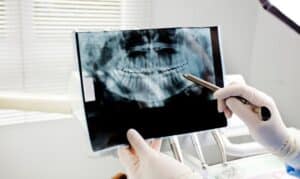
X-rays are valuable diagnostic tools in general dentistry. They provide a comprehensive view of the teeth, allowing dentists to identify issues not visible during a routine visual examination. X-rays are instrumental in detecting cavities, assessing the health of tooth roots, and planning for various dental treatments.
4. Early Detection Of Dental Issues
General dentistry focuses on early detection and prevention. Through regular examinations, dentists can identify potential dental issues in their initial stages. Early detection enables timely intervention, preventing the progression of problems and reducing the need for extensive and costly treatments.
5. Comprehensive Oral Examinations
General dentistry includes comprehensive oral examinations. Dentists examine not only the teeth but also the gums, tongue, and other oral tissues. This holistic approach ensures that any abnormalities or signs of oral diseases are promptly identified and addressed.
6. Assessing Oral Hygiene Practices
General dentistry involves evaluating your oral hygiene practices. Dentists guide proper brushing and flossing techniques, offering personalized recommendations for maintaining optimal oral health between dental visits. Educating patients on effective oral care is a key aspect of general dentistry.
7. Individualized Treatment Plans
Based on examination findings, general dentistry creates individualized treatment plans. Dentists tailor recommendations and treatments according to the unique needs of each patient. This personalized approach ensures that dental care aligns with the specific requirements of the individual.
8. Managing Dental Emergencies
General dentistry is equipped to handle dental emergencies. Whether it’s a sudden toothache, a chipped tooth, or another urgent issue, a general dentist can provide immediate attention and relief. Timely intervention in emergencies helps prevent complications and preserves oral health.
9. Integration Of Advanced Technologies
General dentistry integrates advanced technologies for enhanced examinations. From digital impressions to laser technology, these innovations contribute to more accurate diagnostics and streamlined dental procedures. Embracing technological advancements allows general dentistry to deliver efficient and precise examinations.
In conclusion, general dentistry is highly effective in examining teeth and maintaining overall oral health. Regular check-ups, professional cleanings, and the expertise of a general dentist ensure that potential issues are detected early, promoting preventive care and preserving the longevity of your smile. By prioritizing general dentistry, individuals can enjoy the benefits of thorough examinations and proactive oral health management.