
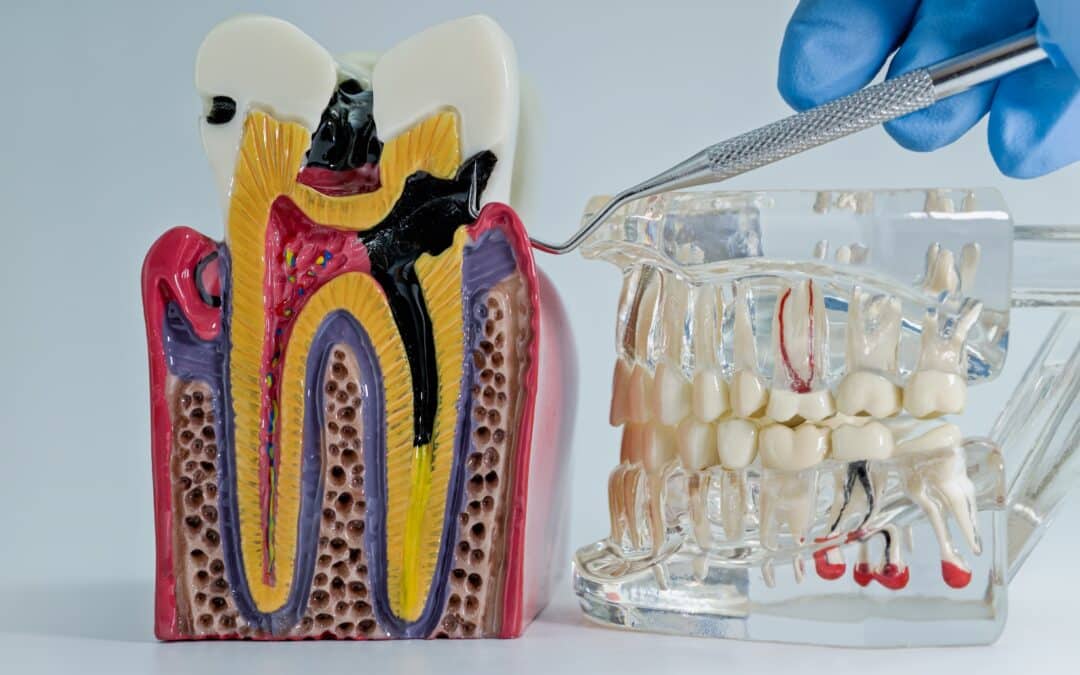
Root canal therapy is one of the most misunderstood dental procedures. Many people fear it due to common misconceptions, but understanding the truth can help patients make informed decisions about their oral health. Addressing these myths and learning about the procedure, its benefits, and proper aftercare can ease anxiety and encourage proactive dental care.
Understanding the Need for Root Canal Therapy
A root canal treatment is needed when the pulp inside a tooth becomes inflamed or infected. Causes include deep decay, repeated dental procedures on the same tooth, cracks or chips, and trauma. If left untreated, infection can lead to severe pain, abscess formation, or tooth loss. Consulting a trusted dentist early ensures timely intervention and protects surrounding teeth and tissues.
Root canal is designed to remove infected tissue while preserving the natural tooth. Many patients are surprised to learn that the procedure is highly effective and often painless thanks to modern dental technology.
Common Myths About Root Canal Therapy
Myth 1: Root Canals Are Extremely Painful
Many people assume root canals are painful because of outdated practices. In reality, anesthesia and modern techniques make the procedure no more uncomfortable than a standard filling.
Myth 2: Root Canals Cause Illness
Some believe root canals can lead to systemic health problems. Extensive research has shown that properly performed root canal treatment does not increase health risks and, in fact, helps prevent infections from spreading.
Myth 3: Tooth Extraction Is a Better Option
Extracting a tooth may seem easier, but losing a natural tooth can lead to bite problems, shifting teeth, and deterioration of the jawbone. Root canal therapy preserves the natural tooth and its function.
Myth 4: Root Canals Require Multiple Painful Visits
Modern root canal procedures are often completed in a single visit, making treatment efficient and convenient.
Key Benefits of Root Canal Procedures
Root canal therapy offers several advantages that go beyond pain relief:
-
Preserves Your Natural Tooth: Maintaining the natural tooth helps retain proper bite alignment.
-
Prevents Infection: Removing infected pulp stops bacteria from spreading to surrounding teeth and gums.
-
Restores Function: Treated teeth regain full chewing and biting ability.
Improves Oral Health: Preserving natural teeth supports overall dental health and reduces the risk of further complications.
How a Root Canal Procedure Works: What to Expect
During a root canal, the dentist will first numb the area with local anesthesia. The infected pulp is carefully removed, and the tooth’s interior is cleaned, disinfected, and sealed. Many patients are surprised by how quick and straightforward the process can be. Depending on the severity of the infection, a crown may be placed to strengthen and protect the tooth. Communication with your dentist throughout the procedure ensures comfort and understanding at every step.
Aftercare Tips for a Successful Recovery
Following proper aftercare is essential for healing and long-term success:
-
Manage Discomfort: Mild pain or sensitivity is normal and can be controlled with over-the-counter pain relievers.
-
Maintain Oral Hygiene: Brush and floss gently around the treated area to prevent plaque buildup.
-
Avoid Hard Foods: Stick to soft foods for a few days to prevent stress on the tooth.
-
Follow-Up Appointments: Attend all scheduled visits to ensure proper healing and crown placement.
-
Report Unusual Symptoms: Persistent pain or swelling should be communicated to your dentist promptly.
By following these guidelines, patients can enjoy a smooth recovery and long-lasting results.
Achieve a Healthy, Beautiful Smile in Stillwater, OK
Root canal therapy is a reliable solution for saving infected teeth and maintaining overall oral health. Understanding the procedure and separating myths from facts helps patients approach treatment with confidence. If you are experiencing tooth pain or suspect an infection, it’s important to seek professional care promptly. Contact Stillwater Dental Associates to schedule a consultation and take the first step toward protecting your teeth and overall oral health.
FAQs About Root Canal Therapy
-
-
How long does a root canal take to complete?
Most procedures are completed in one to two visits, depending on the complexity. -
Is a root canal treatment painful?
Modern anesthesia makes the procedure virtually painless, similar to a regular filling. -
Can a root canal prevent tooth loss?
Yes, it preserves the natural tooth and maintains proper bite alignment. -
How long does a tooth last after a root canal?
With proper care, a treated tooth can last a lifetime. -
What should I eat after a root canal?
Stick to soft foods and avoid chewing on the treated tooth until fully restored. -
Do I still need a crown after a root canal?
Often, a crown is recommended to protect and strengthen the treated tooth. -
Can root canals cause infection?
If done correctly, root canals remove infection and prevent it from spreading.
-