
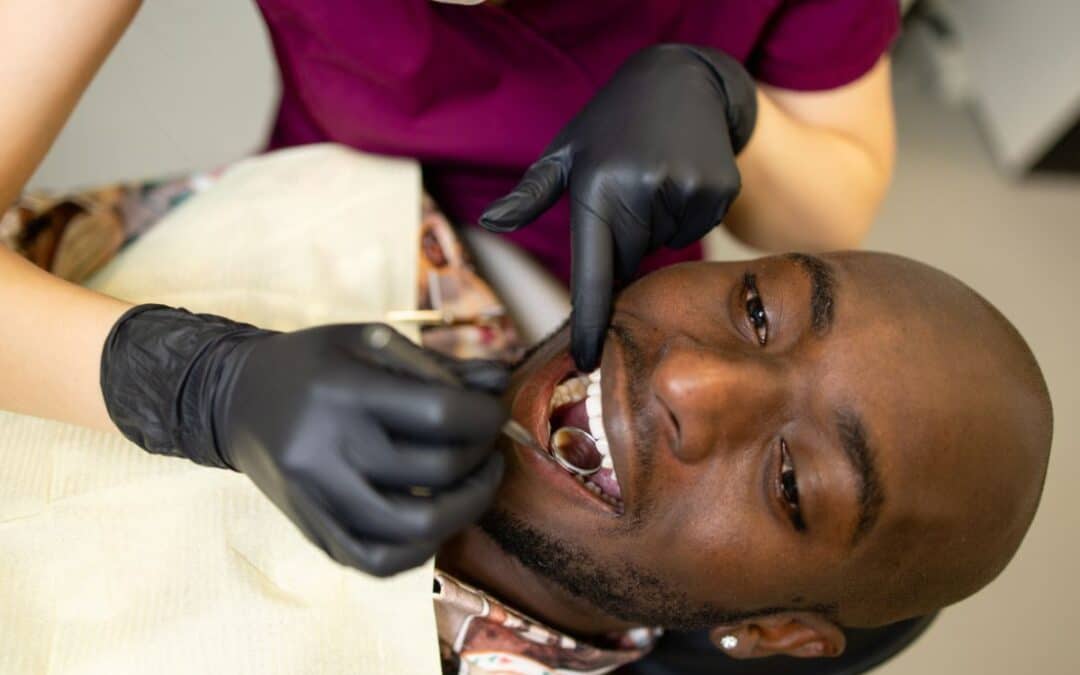
Every smile tells a story, and maintaining that smile requires more than occasional brushing and flossing. From routine cleanings and detailed exams to advanced restorative solutions and orthodontic care, comprehensive dental treatment supports your oral health at every stage of life. Whether you’re due for a preventative check-up or considering cosmetic or reconstructive care, choosing quality dental services ensures long-lasting results that keep you smiling confidently.
Let’s explore the full range of care you can expect at this trusted dental practice.
What Is Comprehensive Dental Care?
Comprehensive dental care is a holistic approach that addresses every aspect of your oral health, not just isolated concerns. Instead of focusing on a single procedure or treatment, dentists evaluate the overall health of your mouth, including your gums, teeth, jaw, and bite, to build a complete picture of your needs. This approach helps identify hidden issues early, prevents future problems, and ensures that any treatment fits your long-term wellness goals.
Complete dental care starts with a thorough examination during your first visit and continues through education, preventative strategies, restorative treatments, and cosmetic enhancements. This full-spectrum care helps patients maintain healthy, functional smiles throughout life.
Preventative Care:
Preventive dental care is the backbone of long-term oral health. It focuses on stopping dental problems before they start rather than just fixing them after they occur. Routine exams and cleanings are key to effective preventative care and should be part of your dental plan at regular intervals.
When you schedule your cleanings and check-ups with an experienced dentist, you benefit from professional evaluations that detect early signs of decay, gum disease, or structural issues. During these visits, hygienists remove plaque and tartar buildup that daily brushing cannot address, and your dentist assesses overall oral health while offering personalized guidance on hygiene techniques. Over time, consistent preventative care reduces the likelihood of more complex and costly treatments, preserves natural tooth structure, and supports a lifetime of strong oral health.
Restorative Dentistry:
Even with diligent preventative habits, dental damage and decay can occur. Restorative dentistry focuses on repairing or replacing compromised teeth to bring back function and comfort. Common restorative treatments range from simple fillings for small cavities to crowns, bridges, dentures, and dental implants for more extensive repair.
Dental implants have become a gold standard for replacing missing teeth. They provide a stable foundation that closely mimics natural tooth roots, preserving jawbone strength and enhancing the smile’s aesthetics. Restorative care doesn’t just make smiles look better; it delivers essential function so patients can eat, speak, and live comfortably.
Orthodontic Treatment:
Straight teeth aren’t just about appearance; they’re essential for good oral function, bite balance, and even long-term dental health. Orthodontic treatment corrects misaligned bites and crowded or gapped teeth, reducing the risk of uneven wear, jaw strain, and gum disease.
Modern orthodontic options, such as clear aligners, provide discreet, comfortable, and effective solutions for many alignment concerns. These treatment plans are tailored to your unique smile and lifestyle, often completing corrections in months rather than years. Whether you’ve considered orthodontic care since childhood or are seeking adult treatment, aligning your teeth can improve both your function and confidence.
Cosmetic Enhancements:
Cosmetic dentistry can help refine your teeth’s appearance. Cosmetic dental services may include professional teeth whitening, veneers, and other aesthetic treatments to address discoloration, minor chips, or irregularities in shape. These treatments are often combined with restorative care to ensure smiles are not only functional but also radiant and confident.
Cosmetic care is personalized to your goals, whether you’re polishing your natural teeth for brilliance or using veneers to reshape and strengthen worn enamel.
Modern Dentistry with Technology and Comfort
Advanced technology plays a vital role in accurate diagnosis and efficient treatment. Digital imaging, same-day crown fabrication, and a comfortable chairside experience help streamline dental visits and improve outcomes. Combined with compassionate care and ongoing education, today’s dentistry creates an environment where patients feel informed and valued throughout their dental journey.
Schedule Your Dental Visit Today
Your smile deserves care that goes beyond the basics. Whether you need routine cleaning, restorative treatment, dental implants, or orthodontic care, Stillwater Dental Associates is here to provide personalized, high-quality care at every stage of life. With a patient-centered approach and advanced dental technology, you can feel confident knowing your oral health is in trusted hands.
Don’t wait for small concerns to become bigger problems. Take the next step toward a healthier smile by scheduling your appointment today. Contact our dental office in Stillwater to experience comprehensive family dental care tailored to your and your family’s needs.
FAQs About Comprehensive Dental Care
Q1: How often should I schedule dental cleanings?
You should generally see your dentist for a professional cleaning and exam every six months. However, if you have gum disease, a high risk of decay, or other ongoing concerns, your dentist may recommend more frequent visits to maintain optimal oral health. Regular cleanings help prevent plaque buildup and detect issues early.
Q2: Are dental implants suitable for everyone?
Dental implants are a strong, long-lasting solution for many people with missing teeth, but success depends on factors like jawbone strength and overall oral health. A dentist will evaluate your specific needs through imaging and exams to determine if implants are the best option or if preparatory treatments are needed first.
Q3: What is the difference between clear aligners and traditional braces?
Clear aligners are custom, removable trays that gently shift your teeth, offering a discreet alternative to metal braces. They are easy to remove for meals and hygiene, while traditional braces use fixed brackets and wires. Your dentist will recommend the right orthodontic treatment based on the complexity of your alignment and your personal preferences.
Q4: Will dental procedures be painful?
Modern dentistry uses effective local anesthesia and comfort techniques to minimize discomfort during procedures. Some tenderness or mild discomfort can occur after treatment, but it’s typically manageable and short-lived. Your dental team will explain pain-control options and aftercare tips to ensure a positive experience.
Q5: Can cosmetic dentistry improve my confidence?
Yes. Cosmetic treatments such as teeth whitening, veneers, and bonding can enhance the appearance of your smile, boosting confidence and self-esteem. Whether you’re addressing stains, gaps, or chips, personalized cosmetic care can help you feel proud of your smile.
Q6: How do I know if I need orthodontic treatment?
Signs you may benefit from orthodontics include crowded or gapped teeth, difficulty chewing, or a misaligned bite. A comprehensive evaluation by your dentist will help determine whether orthodontic care, such as clear aligners, can improve both function and appearance.
Q7: Does insurance cover dental treatments?
Insurance coverage varies by plan and procedure. Preventive services are often covered, while restorative and cosmetic procedures may have partial coverage or require out-of-pocket costs. Speak with your dental office about your insurance plan — they can help file claims and explain payment options.