
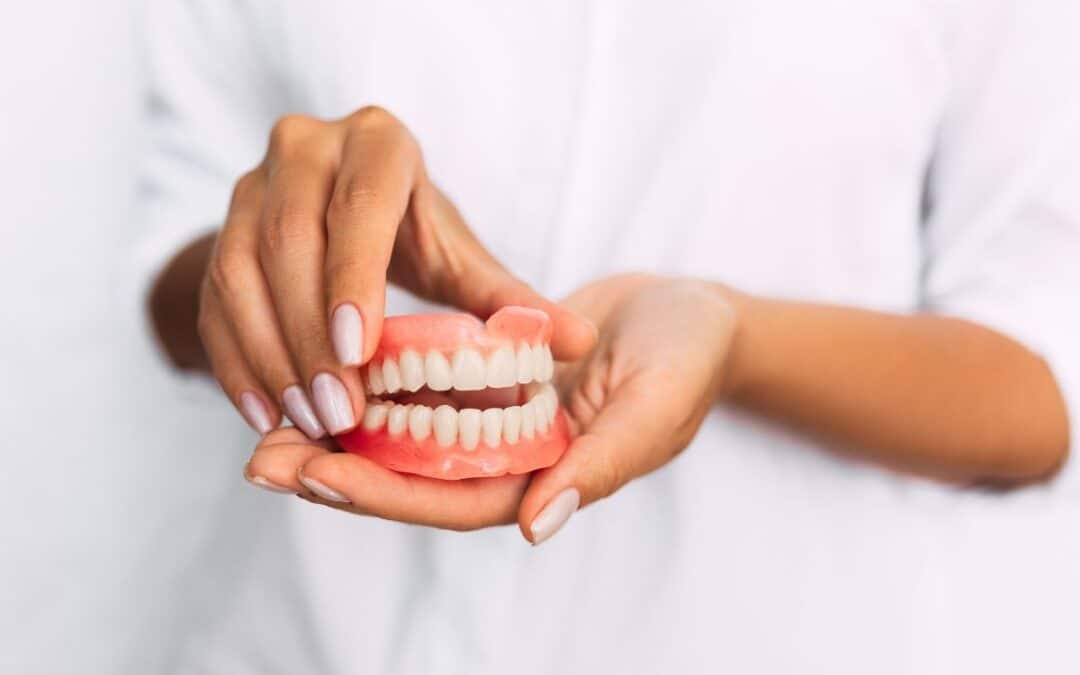
Tooth loss can change more than just how your teeth look. It can make eating uncomfortable, affect the way you speak, and impact your confidence in everyday interactions. The good news is that modern dentures offer reliable, natural-looking solutions to restore both function and appearance.
If you’re considering dentures, one of the first decisions you’ll face is whether complete or partial dentures are right for you. This guide breaks down the differences between complete and partial dentures, helping you make an informed decision for your oral health.
What Are Dentures and How Do They Help?
Dentures are custom-made, removable appliances designed to replace missing teeth. They’re crafted to fit comfortably in your mouth while restoring your ability to chew, speak clearly, and maintain facial structure.
There are two primary types of dentures. Complete dentures replace all teeth in either the upper or lower arch, while partial dentures are used when some natural teeth are still present. Both options are designed with durability and aesthetics in mind, helping you regain a natural appearance and everyday comfort.
Complete Dentures: A Full Replacement Solution
Complete dentures are recommended when all teeth in a dental arch are missing or need to be removed. They provide a comprehensive solution for restoring your bite and overall oral function.
There are two common approaches to complete dentures. Conventional dentures are placed after the gums have fully healed following tooth removal. While this process can take some time, it often results in a more stable and precise fit.
Immediate dentures, on the other hand, are prepared in advance and placed right after tooth extraction. This option allows you to maintain your appearance without going without teeth during the healing period. However, adjustments are typically needed as your gums and jaw naturally change shape over time.
With proper care and regular dental visits, complete dentures can provide a dependable and natural-looking solution for full tooth replacement.
Partial Dentures: Filling the Gap
If you still have healthy natural teeth, partial dentures may be the better choice. These appliances are designed to fill in gaps while preserving your remaining teeth.
Partial dentures are typically secured using clasps or precision attachments that anchor to nearby teeth. This helps keep them stable while also preventing surrounding teeth from shifting out of position.
One of the key advantages of partial dentures is flexibility. They can be removed for easy cleaning and adjusted over time if your dental needs change. While they may feel slightly unfamiliar at first, most patients in Stillwater quickly adapt and return to normal eating and speaking habits.
Choosing the Right Option for You
Deciding between complete and partial dentures depends on:
- How many natural teeth remain
- Your jaw and gum health
- Your lifestyle and comfort preferences
- Recommendations from your dentist
Your dentist will evaluate your oral health and discuss the best solution for restoring function and aesthetics. Both options aim to improve chewing, speech, and overall confidence.
Caring for Your Dentures
Proper denture care ensures longevity and comfort. Key tips include:
- Clean dentures daily with a soft brush and denture cleanser.
- Remove dentures at night to give the gums a rest.
- Avoid using hot water, which can warp the denture.
- Never try to adjust dentures yourself; always visit your dentist for adjustments.
- Store dentures in water or a denture solution when not in use.
Regular check-ups are essential for maintaining a secure fit and preventing oral issues.
Regain Your Bite and Boost Your Confidence
Living with missing teeth doesn’t have to be your new normal. Whether you need a full set of dentures or a partial solution, the right treatment can make a noticeable difference in how you eat, speak, and feel every day.
Stillwater Dental Associates is proud to serve the Stillwater community with customized denture solutions, precise fittings, and ongoing support. If you’re ready to explore your options, contact our dental office today and take the next step toward lasting comfort and confidence.