
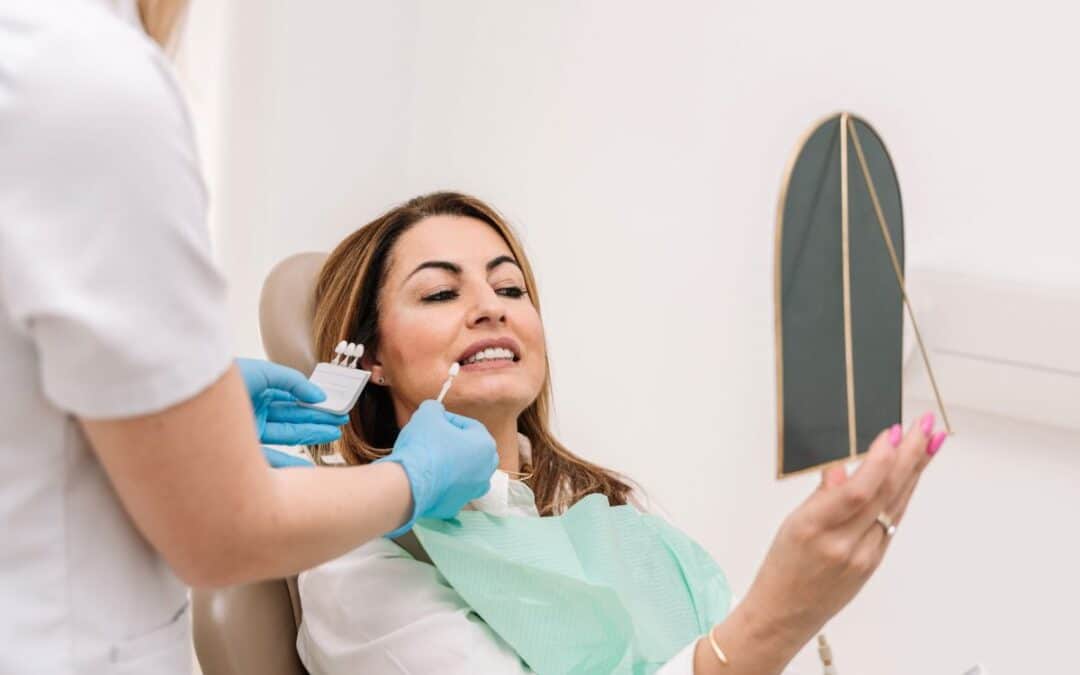
Your smile plays a role in countless everyday moments. Whether you’re meeting friends for coffee, posing for family photos, attending community events, or interacting with coworkers, your smile often becomes one of the first things people notice.
For many adults, however, crooked or uneven teeth can affect self-confidence. You may find yourself smiling less in photos, covering your mouth when laughing, or feeling hesitant during conversations. While these concerns are common, they do not have to be permanent.
The good news is that achieving a more attractive smile no longer means that everyone must wear traditional metal braces. Modern cosmetic dentistry has created several treatment options that can improve the appearance of crooked teeth while fitting comfortably into a modern lifestyle.
Why Teeth Become Crooked Over Time
Crooked teeth can develop for many reasons. In some cases, genetics play a significant role in determining jaw size and tooth positioning. In others, factors such as childhood habits, premature tooth loss, injuries, or natural changes in the mouth contribute to misalignment.
Even patients who had straight teeth when they were younger may notice shifting as they age. Teeth naturally move over time, especially if previous orthodontic treatment was not followed by consistent retainer use.
The extent of misalignment varies from person to person. Some individuals experience minor crowding or small gaps, while others develop more complex bite issues. Understanding the underlying cause helps determine which treatment approach is most appropriate.
Why Many Adults Seek Alternatives to Traditional Braces
Traditional braces remain one of the most effective treatments for correcting significant alignment problems. However, they are not always necessary for every situation.
Many adults seek alternatives because they prefer treatments that are:
- Less noticeable
- More comfortable
- Faster than traditional orthodontics
- Compatible with professional and social lifestyles
- Designed for mild to moderate cosmetic concerns
Some patients have already completed orthodontic treatment and only need minor corrections. Others simply want to improve the appearance of their smile without committing to years of braces. For these individuals, cosmetic dentistry may offer practical and attractive alternatives.
Cosmetic Dental Options for Crooked Teeth
Several cosmetic dental procedures can create the appearance of a straighter, more balanced smile. The right option depends on your oral health, treatment goals, and the severity of the alignment issue.
Porcelain Veneers:
Porcelain veneers are among the most popular cosmetic treatments for patients who want dramatic smile improvements without orthodontics.
Veneers are thin, custom-crafted shells that are bonded to the front surfaces of teeth. They are carefully designed to enhance the shape, size, color, and overall appearance of each tooth.
For patients with mild crowding, small gaps, uneven edges, or slightly rotated teeth, veneers can create the illusion of a beautifully aligned smile.
Benefits of porcelain veneers include:
- Natural-looking results
- Long-lasting durability
- Resistance to staining
- Customized smile enhancement
- Significant cosmetic improvement in a relatively short timeframe
Because veneers address multiple aesthetic concerns simultaneously, they are often considered a comprehensive solution for a smile makeover.
Dental Bonding:
Dental bonding offers a simple and effective way to improve the appearance of minor imperfections.
During the procedure, a tooth-colored composite resin is applied directly to the tooth and carefully sculpted to improve shape and symmetry. The material is then hardened and polished to blend naturally with surrounding teeth.
Bonding can be an excellent option for correcting:
- Small gaps
- Minor overlaps
- Uneven tooth edges
- Slightly misshapen teeth
Many bonding treatments can be completed in a single appointment, making this an appealing option for patients seeking quick cosmetic improvements.
Clear Aligners:
For patients who want to physically move their teeth into better alignment, clear aligners provide a modern orthodontic alternative.
These custom-made transparent trays gradually shift teeth into improved positions over time. Unlike traditional braces, clear aligners are removable and nearly invisible when worn.
Patients often appreciate the convenience of clear aligners because they allow for:
- Easier brushing and flossing
- No dietary restrictions
- Greater comfort
- Minimal impact on appearance
Clear aligners are frequently recommended for mild to moderate alignment concerns and can provide impressive results without metal brackets or wires.
Dental Crowns:
In certain situations, dental crowns may help improve the appearance of misaligned teeth while restoring strength and function.
A crown covers the entire visible portion of a tooth and can be shaped to create a more balanced appearance within the smile.
Crowns are typically considered when a tooth is already damaged, weakened, or heavily restored. While they are not usually used solely for cosmetic alignment purposes, they can contribute to a more harmonious smile as part of a comprehensive treatment plan.
Gum Contouring:
Sometimes teeth appear uneven because of the gum tissue surrounding them rather than the teeth themselves.
Gum contouring reshapes excess or uneven gum tissue to create a more balanced smile line. This procedure can improve overall symmetry and enhance the results of other cosmetic treatments.
When combined with veneers, bonding, or other smile-enhancing procedures, gum contouring can significantly improve aesthetics.
Are These Options Right for Everyone
Cosmetic dental options are highly effective, but they are not a one-size-fits-all solution. They work best for patients with mild to moderate alignment concerns. If your teeth are severely crowded or your bite is significantly misaligned, orthodontic treatment may still be necessary.
A professional evaluation is essential to determine the most appropriate approach. Your dentist will consider factors such as tooth position, bite alignment, oral health, and your long-term goals.
Benefits of Choosing Cosmetic Alternatives
Choosing cosmetic dental options offers several advantages beyond aesthetics. Many treatments are faster than traditional braces and require fewer visits. They also tend to be more comfortable and less noticeable.
Patients often experience a boost in confidence after improving their smile. When you feel good about your teeth, it shows in your interactions, your photos, and your overall presence.
Additionally, some treatments can improve your teeth’s function by creating a more even bite surface. This can make chewing easier and reduce uneven wear over time.
Discover Your Smile Enhancement Options in Stillwater
If you have been thinking about improving your smile without traditional braces, now is the time to explore your options. At Stillwater Dental Associates, we offer personalized cosmetic dental options designed to fit your lifestyle and goals.
Visit our dental office in Stillwater to discover which treatment is right for you. Our team is here to guide you through every step and help you achieve results that look natural and feel comfortable.
FAQs: Cosmetic Alternatives to Traditional Braces
1. What are the best alternatives to braces for crooked teeth?
Several alternatives can improve the appearance of crooked teeth without traditional braces. Options like veneers, dental bonding, tooth contouring, and clear aligners are commonly used. Each option serves a different purpose depending on the severity of misalignment. A dental evaluation helps determine which solution will provide the most natural and effective results.
2. Can cosmetic treatments actually straighten teeth?
Cosmetic treatments such as veneers and bonding mainly enhance the appearance of alignment rather than physically moving teeth. They reshape and cover imperfections to create a straighter look. The right choice depends on whether you want visual improvement or structural correction.
3. How do I know if I am a good candidate for cosmetic solutions?
You may be a good candidate if you have mild to moderate crowding, small gaps, or uneven tooth shapes. People with significant bite issues or severe misalignment may need orthodontic treatment instead. A dentist will assess your oral health, alignment, and goals before recommending a suitable approach.
4. Are cosmetic dental procedures safe for long-term use?
Yes, most cosmetic procedures are considered safe when performed by a qualified dental professional. Materials used today are durable and designed to work well with natural teeth. Maintaining good oral hygiene and attending regular dental visits will help ensure long-lasting and healthy results.
5. Will cosmetic treatments affect how I eat or speak?
Most patients adjust quickly after treatment and experience little to no disruption in daily activities. Initially, there may be a short adjustment period as your mouth adapts. Once you are comfortable, eating and speaking should feel natural, especially with well-fitted and professionally designed restorations.
6. Is there a recovery period after cosmetic dental procedures?
Many cosmetic treatments involve minimal recovery time. Procedures like bonding or contouring typically allow you to return to normal activities the same day. Veneers and aligners may require brief adjustment periods. Your dentist will provide aftercare guidance to ensure a smooth and comfortable experience.