
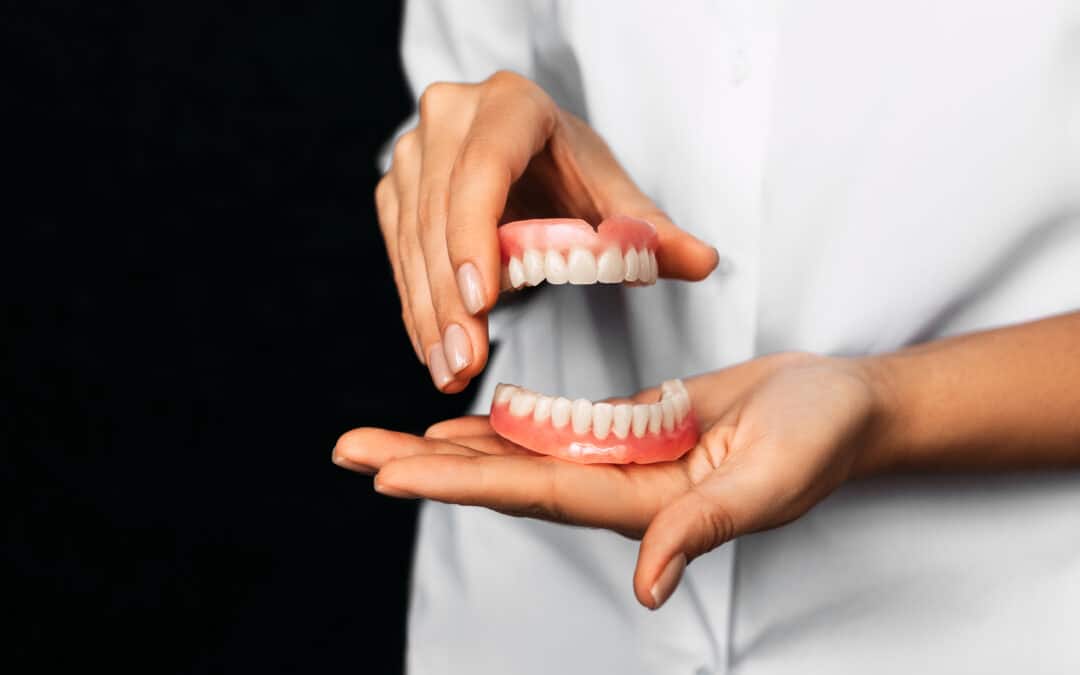
For many people, getting your first dentures is more than a dental appointment—it’s a major life change. Whether you’ve been struggling with missing teeth for years or recently needed extractions, it’s completely normal to have questions, concerns, and even a few nerves.
The good news? You’re not alone.
Every year, thousands of Americans choose dentures to restore their smiles, improve their ability to eat, and regain confidence. While dentures can make a remarkable difference, there are a few things most people don’t hear until after treatment begins.
At Stillwater Dental Associates, we believe that informed patients make confident decisions. If you’re considering getting your first dentures, this guide will help you understand what to expect before, during, and after treatment.
Why Do People Choose Dentures?
Missing teeth affect more than your appearance. They can make everyday activities like eating, speaking, and smiling feel challenging. Dentures are designed to replace missing teeth while helping restore function and confidence.
Some common reasons patients choose dentures include:
- Multiple missing teeth
- Advanced tooth decay
- Severe gum disease
- Trauma or injury
- Teeth that cannot be predictably restored
If you’re getting your first dentures, your dentist will evaluate your oral health and recommend the option that best fits your needs.
What to Expect When Getting Your First Dentures
Many patients imagine they’ll leave the dental office with perfect-fitting dentures and immediately return to normal life. In reality, adjusting to dentures takes time—and that’s perfectly normal.
Here’s what you can typically expect:
| Stage | What You May Experience |
|---|---|
| Initial Consultation | Oral examination, discussion of treatment options, impressions or digital scans if needed |
| Denture Placement | Learning how the dentures fit and function |
| First Few Weeks | Mild soreness, increased saliva, and adjusting to speaking and eating |
| Follow-Up Visits | Minor adjustments to improve comfort and fit |
| Long-Term Care | Routine dental visits and proper denture maintenance |
Understanding this process can make getting your first dentures much less stressful.
Eating Will Feel Different at First
One of the biggest surprises about getting your first dentures is that eating takes practice.
Start with softer foods like:
- Scrambled eggs
- Yogurt
- Mashed potatoes
- Soup
- Pasta
- Cooked vegetables
As you become more comfortable, you can gradually introduce firmer foods.
A helpful tip many patients appreciate is cutting food into smaller pieces and chewing slowly using both sides of the mouth. This helps distribute pressure more evenly.
Talking May Take a Little Practice
Some patients notice certain words sound different during the first few days after getting your first dentures.
This is temporary for most people.
Reading a book, newspaper, or magazine aloud for a few minutes each day is a simple way to help your mouth adapt.
Before long, speaking will begin to feel much more natural.
Confidence Takes Time, Too
It’s easy to focus on the physical adjustment, but the emotional side matters just as much.
Many patients worry that others will notice their dentures.
The reality is that modern dentures are designed to look natural. Friends and family are often more likely to notice your healthier smile than your dentures themselves.
Most patients say the biggest change isn’t how they look—it’s how much more comfortable they feel smiling again.
Caring for Your Dentures Matters
Proper care helps keep your dentures clean, comfortable, and functioning as intended.
Daily Denture Care Checklist
| Do | Don’t |
|---|---|
| Clean dentures every day | Use regular toothpaste, which may be too abrasive |
| Rinse after meals | Leave dentures to dry out |
| Handle carefully over a towel or sink filled with water | Use hot water, which may affect the material |
| Store as instructed by your dentist | Skip regular dental checkups |
Even if you wear full dentures, routine dental visits remain important because your dentist will continue monitoring your gums, oral tissues, and overall oral health.
Why Professional Guidance Makes a Difference
Choosing the right dental team is one of the most important parts of getting your first dentures.
At Stillwater Dental Associates, patients receive personalized care based on their individual needs—not a one-size-fits-all approach.
Meet Dr. Zach McNickle
Dr. Zach McNickle is dedicated to providing compassionate, patient-centered dental care. He believes every patient deserves clear communication, honest recommendations, and treatment that supports long-term oral health. Whether you’re replacing one tooth or getting your first dentures, Dr. McNickle works closely with patients to help them feel informed and comfortable throughout every step of their dental journey.
Trusted Oral Health Resources
When researching dentures or other dental treatments, it’s important to rely on trusted sources. These respected U.S. organizations offer reliable, evidence-based oral health information:
- Centers for Disease Control and Prevention (CDC) – Oral Health Program
- National Institute of Dental and Craniofacial Research (NIDCR)
- American Dental Association (ADA)
- U.S. Department of Health and Human Services (HHS) – Oral Health Resources
These organizations provide educational information that complements the personalized advice you receive from your dentist.
Why Local Care Matters
When you’re adjusting to dentures, follow-up appointments are just as important as the initial treatment.
Having a trusted local dental office means you don’t have to travel far if you need adjustments, have questions, or simply want reassurance during the process.
Patients throughout the Stillwater area appreciate having an experienced dental team nearby that understands the needs of local families, students, retirees, and working professionals.
AtStillwater Dental Associates, we’re committed to helping every patient feel comfortable before, during, and after getting your first dentures.
Frequently Asked Questions
1. How long does it take to adjust to getting your first dentures?
Everyone adjusts differently, but many patients begin feeling more comfortable within a few weeks. Your dentist may recommend follow-up adjustments to improve fit and comfort.
2. Will I be able to eat normally with dentures?
Yes. It may take a little practice at first, but most patients gradually return to enjoying a wide variety of foods after getting your first dentures.
3. Do I still need dental checkups if I wear dentures?
Absolutely. Regular dental visits help monitor your gums, jawbone, oral tissues, and the condition of your dentures.
4. How should I clean my dentures?
Clean your dentures daily using products recommended by your dentist, rinse them after meals, and store them properly when they’re not being worn.
5. Where can I learn more about getting your first dentures?
The best place to start is with a comprehensive dental consultation. Your dentist can evaluate your oral health and recommend the treatment that’s right for you.
Ready to Take the First Step?
If you’re considering getting your first dentures, you don’t have to navigate the process alone.
The experienced team at Stillwater Dental Associates is here to answer your questions, explain your options, and help you restore your smile with personalized care.
Call us today at +1 405-876-5511 to schedule your consultation and learn whether dentures are the right solution for your oral health goals.