
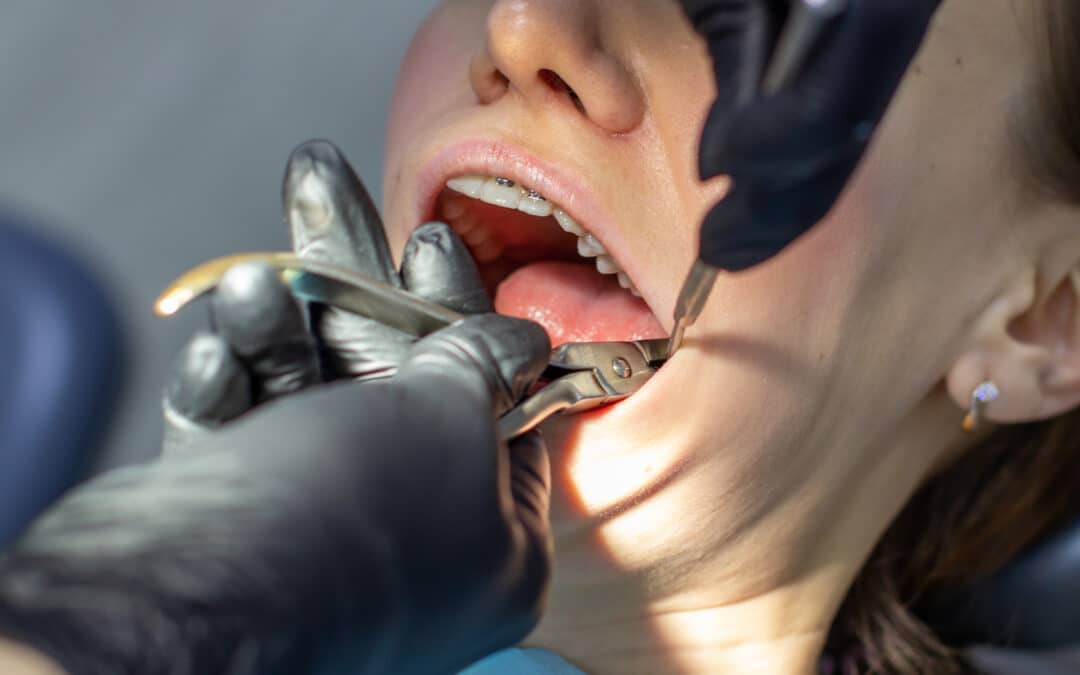
You brush your teeth every morning, floss when you remember, and don’t experience any tooth pain. So, everything must be fine with your dental health, right?
Not necessarily!
One of the biggest misconceptions about oral health is that healthy teeth should never hurt, and if there’s no pain, there’s no problem. Unfortunately, several dental conditions can develop quietly without causing noticeable discomfort in their early stages.
A small cavity, early gum disease, or even certain infections may go unnoticed until the condition becomes more complicated.
That’s why a regular dental checkup is important, even when your smile looks and feels perfectly fine.
At Stillwater Dental Associates, preventive dental care plays an important role in helping patients maintain healthy teeth and gums. With more than 40 years of experience serving the community, the practice emphasizes identifying dental concerns early and helping patients preserve their natural teeth whenever possible.
5 Dental Problems That Can Develop Without Pain
Just because you aren’t experiencing discomfort doesn’t mean your mouth is problem-free. Here are five dental conditions that may develop without obvious warning signs.
1. Cavities That Haven’t Started Hurting Yet
Tooth decay doesn’t always begin with pain.
In its early stages, a cavity may develop without noticeable symptoms. You might continue eating, drinking, and brushing normally without realizing that your tooth is gradually losing healthy structure.
As decay progresses deeper into the tooth, sensitivity and pain may eventually appear.
Regular examinations help your dentist identify areas of concern and recommend appropriate treatment before the damage becomes more extensive.
2. Early Gum Disease
Have you noticed a little bleeding when brushing or flossing? Maybe your gums occasionally look red or swollen.
These signs shouldn’t be ignored.
Gum disease often begins with inflammation caused by plaque buildup around the teeth and gumline. Early gum disease, known as gingivitis, may not cause significant pain.
Without proper care, it can progress and damage the tissues and bone supporting your teeth.
3. Cracks or Damage You Cannot Easily See
Not every cracked tooth causes immediate pain.
Small fractures may be difficult to notice, especially when they occur toward the back of your mouth.
You might only experience occasional sensitivity when chewing, or you may not notice anything unusual at all.
A dentist can evaluate suspicious areas and determine whether additional treatment is necessary to protect the tooth.
4. Plaque and Tartar Buildup
Even if you brush twice a day, plaque can accumulate in areas that are difficult to reach.
When plaque hardens into tartar, brushing and flossing alone cannot remove it effectively.
Over time, this buildup can contribute to gum inflammation, bleeding, and other oral health concerns.
Professional cleanings help remove hardened deposits and support healthier gums.
5. Problems With Existing Dental Work
Have an old filling, crown, or bridge?
Existing dental restorations can wear down, become damaged, or develop problems around their edges over time.
You may not notice anything until the restoration becomes loose, uncomfortable, or starts affecting your bite.
Routine monitoring helps your dentist evaluate existing dental work and identify concerns that may need attention.
Why Waiting for Pain Can Be a Mistake
Many people schedule a dental appointment only when something starts hurting. Unfortunately, pain is not always an early warning sign.
By the time discomfort develops, a dental problem may already require more attention than it would have if detected earlier.
For example:
-
A small cavity may become deep decay.
-
Mild gum inflammation may progress to periodontal disease.
-
A damaged tooth may eventually require a crown or root canal.
-
An untreated infection may spread and cause swelling or more serious complications.
A routine dental checkup gives your dentist an opportunity to evaluate your oral health before symptoms become noticeable.
It doesn’t guarantee that every problem will be prevented, but early detection can make a meaningful difference in treatment options.
What Does Your Dentist Look for During a Routine Examination?
A dental examination involves more than simply checking whether you have cavities.
Your dentist evaluates several aspects of your oral health to identify potential concerns.
| What Your Dentist Checks | Why It Matters |
|---|---|
| Teeth and enamel | Identifies decay, wear, and visible damage |
| Gums | Checks for inflammation and signs of gum disease |
| Existing fillings and crowns | Evaluates restorations for damage or deterioration |
| Bite alignment | Identifies possible bite-related concerns |
| Soft tissues | Looks for unusual changes or abnormalities |
| X-rays, when needed | Helps identify problems not visible during a regular visual examination |
Depending on your oral health, your dentist may recommend additional diagnostic imaging or preventive treatment.
This is one reason a dental checkup should be part of your regular healthcare routine, even if you aren’t experiencing any discomfort.
How Often Should You Schedule a Dental Visit?
You may have heard that everyone needs to visit the dentist exactly twice a year.
While many people benefit from routine preventive visits, the ideal frequency depends on individual oral health needs.
Some patients may require more frequent visits because of gum disease, recurring cavities, existing dental conditions, or other risk factors.
Here’s a general guide:
| Oral Health Situation | Recommended Approach |
|---|---|
| Healthy teeth and gums | Regular preventive examinations |
| History of cavities | More frequent monitoring may be appropriate |
| Bleeding or swollen gums | Professional gum evaluation |
| Existing crowns or fillings | Periodic assessment of restorations |
| Persistent sensitivity | Dental examination to identify the cause |
| Tooth pain or swelling | Prompt professional evaluation |
Your dentist can recommend a personalized schedule based on your examination findings.
5 Warning Signs You Should Never Ignore
Even if you aren’t experiencing severe pain, certain symptoms deserve attention.
Watch out for:
-
Bleeding gums: Especially when brushing or flossing.
-
Persistent bad breath: This may be associated with plaque buildup, gum disease, or other oral health conditions.
-
Tooth sensitivity: Discomfort when consuming hot, cold, or sweet foods.
-
Changes in your bite: Your teeth may not fit together the way they used to.
-
Visible spots or discoloration: White, brown, or dark areas may indicate changes in tooth structure.
If you notice any of these symptoms, don’t wait for them to become painful before seeking professional advice.
How Can You Keep Your Teeth Healthy Between Dental Visits?
Professional dental care is important, but your everyday habits matter just as much.
Here are some simple ways to protect your smile:
-
Brush twice daily using fluoride toothpaste.
-
Floss once a day to clean between your teeth.
-
Limit frequent sugary snacks and drinks.
-
Drink plenty of water throughout the day.
-
Avoid using your teeth to open packages or bite hard objects.
-
Replace your toothbrush when the bristles become worn.
-
Keep up with your recommended preventive dental visits.
A consistent oral hygiene routine, combined with a professional dental checkup, can help you maintain healthier teeth and gums over time.
Don’t Wait for a Toothache to Take Your Dental Health Seriously
Your teeth don’t always tell you when something is wrong.
A cavity can develop quietly. Gum disease can progress without significant discomfort. Even existing dental restorations may deteriorate without obvious symptoms.
That’s why preventive care deserves attention.
At Stillwater Dental Associates, the focus is on helping patients maintain their oral health through preventive examinations, professional cleanings, and comprehensive dental care.
With more than 40 years of experience serving the community, the practice believes in identifying problems early and preserving natural teeth whenever possible.
Whether it’s been six months or several years since your last visit, a professional dental checkup is a good opportunity to understand what’s happening inside your mouth.
Don’t wait until something hurts. Schedule your appointment with Stillwater Dental Associates and give your smile the attention it deserves!
Frequently Asked Questions (FAQs)
1. Can you have dental problems without experiencing tooth pain?
Yes. Cavities, early gum disease, plaque buildup, and certain dental infections may develop without noticeable pain. Regular dental examinations help identify potential problems before symptoms become more obvious.
2. Why should I visit a dentist if my teeth feel perfectly healthy?
A dental checkup helps your dentist evaluate your teeth, gums, existing restorations, and overall oral health. Some dental problems are difficult to identify without a professional examination.
3. How often should I get my teeth checked by a dentist?
The frequency depends on your oral health and individual risk factors. Many people benefit from routine visits every six months, while others may need more frequent monitoring or cleanings.
4. What are the early signs of dental problems?
Common warning signs include bleeding gums, persistent bad breath, tooth sensitivity, visible discoloration, swollen gums, and discomfort when chewing. Some conditions may not cause noticeable symptoms initially.
5. Can regular dental visits prevent cavities and gum disease?
Regular dental visits can help identify early signs of decay and gum disease. Professional cleanings remove hardened plaque, while your dentist can recommend preventive measures to reduce your risk of future problems.