
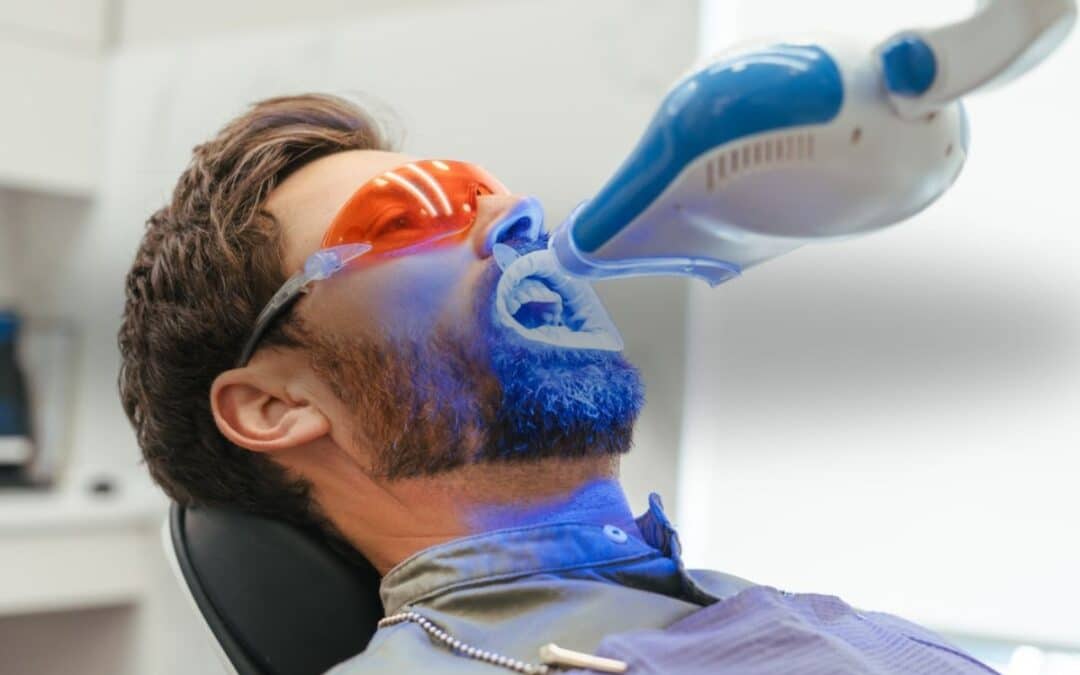
Many people want a brighter smile, but they often wonder: Can teeth whitening damage enamel? This is a valid concern, especially with so many whitening products available in stores and online. While whitening can improve your appearance, it’s important to understand how these treatments affect your teeth. In this article, we’ll explore what dentists have to say about this topic and help you make a safe, informed decision.
What Is Enamel and Why Is It Important?
To understand the risks, it’s important to first know what enamel does. Enamel is the hard outer layer of your teeth. It protects against decay, sensitivity, and everyday wear. Unlike other tissues in your body, enamel doesn’t regenerate once it’s lost.
Key roles of enamel include:
-
Shielding teeth from cavities and acid damage
-
Helping you chew and bite without pain
-
Maintaining the natural color of your teeth
If enamel is damaged, you may experience tooth sensitivity, discoloration, and a higher risk of decay.
How Teeth Whitening Works
Whitening treatments use bleaching agents, typically hydrogen peroxide or carbamide peroxide, to break down stains. These ingredients get into the tiny pores of your enamel and lift discoloration from deep inside the tooth.
There are several ways to whiten teeth:
-
In-office professional treatments
-
At-home whitening trays provided by a dentist
-
Over-the-counter strips and gels
-
Whitening toothpastes with mild abrasives
Each method uses a different concentration of bleaching agent, which can impact both results and side effects.
Can Teeth Whitening Damage Enamel?
According to dentists, the answer depends on how whitening is done. When performed correctly, teeth whitening is unlikely to damage enamel. However, using products too often or applying them incorrectly can lead to problems.
Risks of improper whitening include:
-
Increased tooth sensitivity
-
Irritation to gums or soft tissues
-
Roughening of enamel surface
-
Weakening of enamel if overused
That’s why it’s always best to follow dentist-approved instructions.
For safe and supervised whitening, consider booking a consultation for teeth whitening in Stillwater. Our dental professionals ensure that the treatment is both effective and gentle on your enamel.
How to Whiten Safely Without Damaging Enamel
If you want a whiter smile without risking enamel loss, follow these simple tips:
-
Choose dentist-recommended products: Avoid cheap or untested treatments.
-
Limit how often you whiten: Stick to the suggested usage frequency.
-
Avoid highly acidic foods: These can weaken enamel after whitening sessions.
-
Use a fluoride toothpaste: This helps strengthen enamel.
-
Listen to your body: Stop whitening if you feel sharp sensitivity or pain.
By taking a careful and educated approach, you can enjoy the benefits of whitening without long-term harm.
Professional vs. Over-the-Counter Whitening
Professional whitening treatments at a dental office are much safer because:
-
Dentists use custom-fit trays to protect gums
-
Whitening gel is applied precisely
-
Treatment is monitored to avoid overuse
-
Stronger results are achieved in less time
In contrast, store-bought products may not fit well, leading to uneven results and a higher risk of enamel damage.
Final Thoughts
So, can teeth whitening damage enamel? The short answer is yes, but only if it’s overdone or done without proper care. When supervised by a professional, whitening is both safe and effective. Your enamel is a valuable part of your smile, and it deserves to be treated with care.
Ready to brighten your smile the right way? Don’t take chances with your enamel, visit our dental office at Stillwater Dental Associates for safe, customized whitening solutions that protect your teeth and deliver stunning results.