
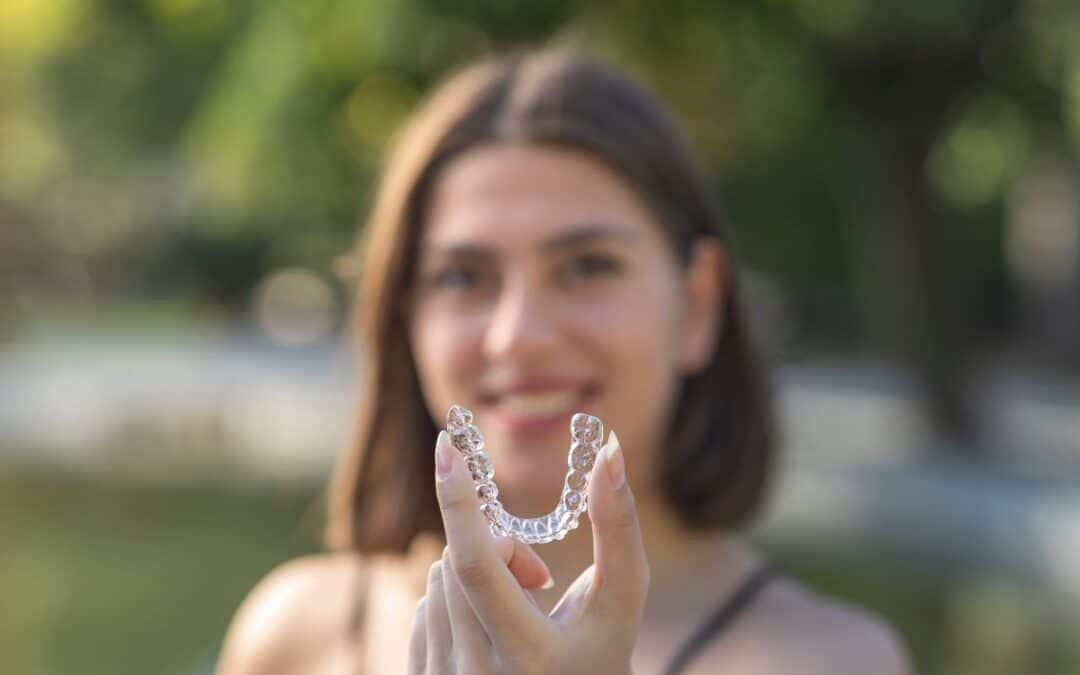
An overbite may not seem like a serious concern at first, especially if you don’t feel pain or discomfort. Many people assume it’s simply part of their natural smile. However, over time, an untreated overbite can affect tooth alignment, cause uneven wear, and interfere with everyday functions such as chewing and speaking clearly.
Today, with a busy lifestyle in Stillwater, both teens and adults are looking for alternatives to traditional braces. Clear aligners have become increasingly popular, but an important question remains: Can Invisalign truly correct an overbite? Let’s explore the answer in a simple and clear way.
What Is an Overbite and Why Does It Matter?
An overbite occurs when the upper front teeth significantly overlap the lower front teeth. A slight overlap is normal and healthy. However, a deep or excessive overbite can create long-term oral health concerns.
If left untreated, a pronounced overbite may contribute to:
-
Jaw pain and facial discomfort
-
Uneven tooth wear or enamel damage
-
Speech challenges
-
Increased risk of cavities and gum problems
-
Jaw tension, clicking, or soreness related to TMJ issues
Overbites range from mild to severe. The best treatment depends on how complex the case is and whether the issue involves tooth position, jaw structure, or both.
Common Causes of an Overbite
Overbites typically develop due to a combination of factors, including:
-
Genetics and natural jaw shape
-
Childhood habits such as thumb sucking or prolonged pacifier use
-
Crowded or spaced teeth
-
Uneven jaw growth
Since every smile is unique, the underlying cause plays a major role in determining the right treatment approach.
How Invisalign Works to Correct an Overbite
Invisalign uses a series of custom-made, clear aligners to gradually move teeth into their ideal positions. Advanced 3D digital imaging enables your dentist to map a precise, personalized treatment plan.
To correct an overbite, Invisalign may:
-
Move the upper teeth slightly backward
-
Bring the lower teeth forward
-
Gently intrude (lower) upper front teeth
-
Use small tooth-colored attachments to improve movement
-
Incorporate elastics in certain cases to help guide jaw alignment
Each set of aligners is worn for about one to two weeks before progressing to the next stage. Over time, your bite alignment improves gradually.
Is Invisalign Effective for All Overbites?
Invisalign works very well for many mild to moderate overbites, especially when the problem involves tooth positioning rather than significant skeletal misalignment. Patients with healthy jaw development often see excellent results with clear aligner therapy. However, more severe cases involving major jaw discrepancies may require additional orthodontic treatment. In rare situations, surgical intervention may be recommended to achieve the best outcome.
The only way to determine if Invisalign is right for you is through a professional evaluation. A comprehensive exam and digital scans allow your dentist to assess your bite and recommend the most effective treatment plan.
Benefits of Choosing Invisalign
Many patients prefer Invisalign because it fits comfortably into everyday life. Key benefits include:
-
Clear aligners that are barely noticeable
-
Removable trays for easier brushing and flossing
-
No food restrictions
-
Smooth edges that reduce irritation
These advantages make Invisalign an appealing option for teens and adults seeking a discreet, comfortable way to improve their bite and smile.
Schedule Your Consultation Today
If you’ve been living with an overbite and wondering whether Invisalign could be the right solution, getting professional guidance is the first and most important step. When thoughtfully planned and closely monitored, Invisalign can be a highly effective treatment option for many patients seeking a more balanced and comfortable bite.
At Stillwater Dental Associates, we take the time to help you fully understand your bite concerns and explore treatment options that promote long-term oral health and stability. If you’re considering Invisalign, we invite you to visit our dental office in Stillwater for a personalized consultation. Our team will evaluate your needs, answer your questions, and guide you toward the best solution for achieving a healthier, more confident smile.
FAQs About Correcting an Overbite with Invisalign
1. Can Invisalign really fix an overbite?
Yes, Invisalign can effectively correct many mild to moderate overbites by gradually shifting teeth into proper alignment. Advanced digital planning allows precise bite adjustments. However, results depend on the severity of the case.
2. How long does Invisalign take to correct an overbite?
Treatment typically takes between 6 and 18 months, depending on the complexity of the overbite. Mild cases may resolve more quickly, while moderate cases may take longer. Consistent aligner wear is essential for staying on schedule.
3. Is Invisalign better than braces for overbite correction?
Invisalign offers a more discreet and comfortable alternative to braces for many patients. Both options can be effective, but the best choice depends on your bite severity and treatment goals. A professional evaluation helps determine the right solution.
4. Does Invisalign work for severe overbites?
Invisalign can treat some complex cases, but severe skeletal overbites may require additional orthodontic treatment. In certain situations, braces or surgical intervention may be recommended. A consultation is necessary for an accurate assessment.
5. Will fixing an overbite improve jaw pain?
Correcting an overbite can reduce jaw strain and alleviate discomfort caused by a misaligned bite. Improved alignment often helps decrease tension and uneven pressure on teeth. However, results vary based on individual conditions.
6. Do I need rubber bands with Invisalign for an overbite?
In some cases, small elastics (rubber bands) are used with Invisalign to guide jaw alignment. These help improve bite correction and enhance treatment precision. Your dentist will determine if they are needed.
7. What happens after Invisalign treatment for an overbite?
After treatment, wearing a retainer is essential to maintain your new alignment. Retainers prevent teeth from shifting back to their original position. Long-term retention helps protect your results and oral health.