
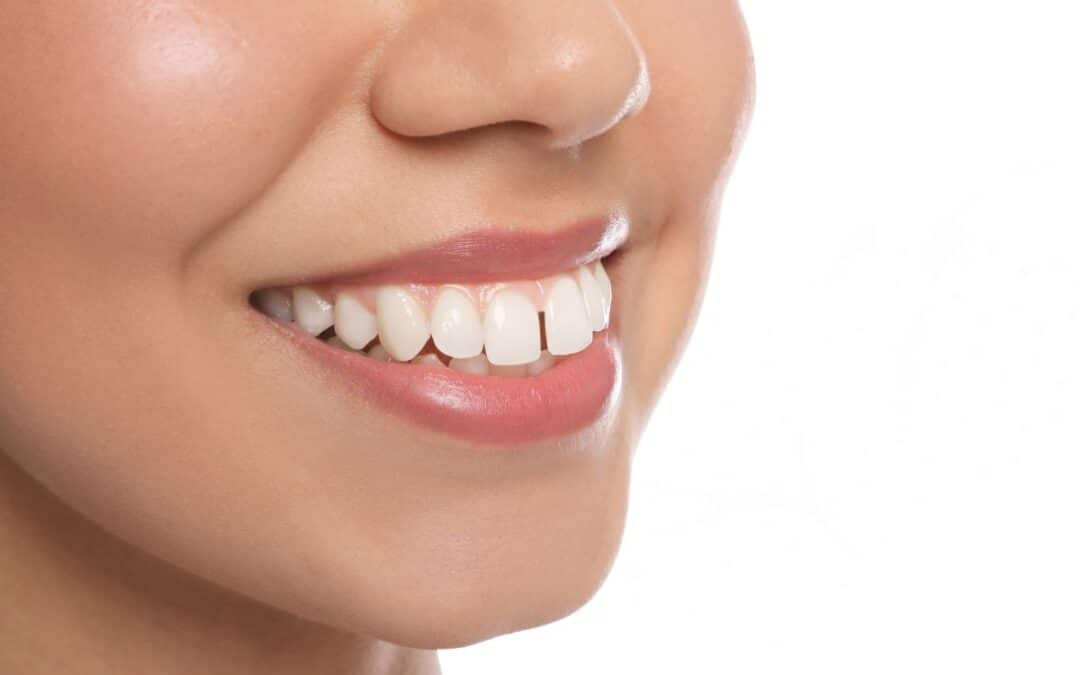
Gaps between your teeth can be a unique part of your smile, but have you ever wondered, “Is your teeth gap growing?” If you’ve noticed changes in the size of your teeth gaps, it might be a sign of an underlying issue. Understanding what to look out for can help you catch potential problems early and seek the right treatment. Let’s dive into the signs that shouldn’t be ignored.
What Causes Teeth Gaps to Widen?
Several factors can contribute to a growing tooth gap. Knowing the causes is the first step in understanding the changes in your smile:
- Gum Disease: Infections in the gums can lead to bone loss, causing teeth to shift.
- Tooth Loss: When a tooth is missing, neighboring teeth may move, increasing the gap.
- Poor Oral Habits: Habits like tongue thrusting or thumb sucking can push teeth apart.
- Aging: As we age, our teeth naturally shift, sometimes widening existing gaps.
- Genetics: Sometimes, a growth gap is simply inherited.
Signs Your Teeth Gap Is Growing
Recognizing the signs of a growing tooth gap early can help prevent further complications. Here are some key indicators to watch for:
- Increased Food Trapping: If food is getting stuck more often between your teeth, the gap may be widening.
- Changes in Bite: Feeling that your teeth no longer align properly can indicate movement.
- Gum Sensitivity or Bleeding: Tender, bleeding gums can be a sign of gum disease, which may lead to teeth shifting.
- Tooth Mobility: Feeling like your teeth are loose or wiggly could mean the surrounding bone structure is weakening.
- Visible Changes: Comparing recent photos to older ones can reveal if the gap has widened over time.
If you notice any of these signs, it’s best to consult with a professional. Our dentist in Stillwater can assess the condition of your teeth and provide personalized advice.
Why Should You Address a Growing Teeth Gap?
Ignoring a widening tooth gap can lead to several oral health problems, such as:
- Increased Risk of Cavities: Food particles can get trapped, leading to decay.
- Gum Disease: Larger gaps expose more gum area, making it more prone to infection.
- Bite Issues: Misalignment can cause jaw pain and uneven tooth wear.
- Self-Consciousness: Changes in your smile might affect your confidence.
Treatment Options for a Growing Teeth Gap
Thankfully, there are several treatments available to close or manage a growing tooth gap:
- Orthodontic Solutions: Braces or clear aligners can gradually move teeth into proper alignment.
- Dental Bonding: A quick fix where a tooth-colored resin is applied to close small gaps.
- Veneers: Custom-made shells that cover the front surface of teeth, creating a uniform look.
- Dental Implants or Bridges: These options can help fill the space left by missing teeth, preventing further shifting.
Your dentist can help you choose the best treatment based on your unique needs.
When to See a Dentist
If you suspect your teeth gap is growing, don’t wait. Schedule an appointment with a dental professional. Early intervention can prevent further damage and save you from more extensive treatment down the road.
Conclusion: Protect Your Smile
A growing tooth gap can be more than just a cosmetic issue — it can affect your oral health and overall well-being. Staying aware of the signs and seeking timely care is key. Whether you need a consultation or treatment, our Stillwater based dental office can offer the care and expertise you deserve. Trust Stillwater Dental Associates to help keep your smile healthy and beautiful.
Your smile is worth it — don’t let a growing gap go unnoticed. Book an appointment today and take the first step toward a healthier, more confident you!