
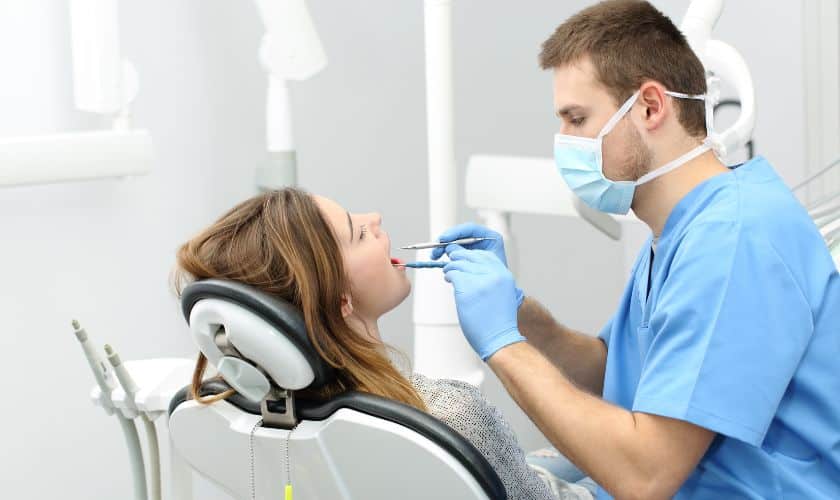
Dental hygienists play a crucial role in maintaining oral health, working in tandem with dentists to ensure patients receive comprehensive care. In this detailed exploration, we’ll delve into the responsibilities and significance of dental hygienists, shedding light on their contributions to oral healthcare.
Overview of Dental Hygiene Profession
Dental hygienists are licensed oral health professionals specializing in preventive dental care. They work closely with dentists to support patient oral health, emphasizing education and proactive measures to prevent dental issues.
1. Patient Assessment and Oral Health Evaluation
A fundamental aspect of a dental hygienist’s role involves assessing a patient’s oral health. This includes examining the teeth, gums, and overall oral structures to identify any signs of issues or potential concerns. These assessments form the basis for personalized oral care plans.
2. Professional Teeth Cleaning Procedures
One of the primary responsibilities of dental hygienists is professional teeth cleaning. Using specialized instruments, they remove plaque, tartar, and stains from the teeth. This process, known as scaling and polishing, contributes significantly to preventing cavities and gum diseases.

3. Educating Patients On Oral Hygiene Practices
Education is a cornerstone of a dental hygienist’s role. They empower patients with knowledge about proper oral hygiene practices, including effective brushing and flossing techniques. By imparting preventive measures, dental hygienists help patients maintain optimal oral health between dental visits.
4. Administering Fluoride Treatments
Dental hygienists often administer fluoride treatments to strengthen teeth and prevent cavities. This involves applying fluoride varnishes or gels to the teeth, providing an added layer of protection against decay.
5. Taking Dental X-rays
Dental hygienists may be responsible for taking dental X-rays to aid in diagnosing oral issues that may not be visible during a routine examination. This diagnostic tool allows dentists to assess the condition of teeth, roots, and surrounding structures.
6. Screening For Signs of Oral Diseases
Dental hygienists are trained to identify early signs of oral diseases, including gingivitis and periodontitis. Through regular screenings, they can detect issues promptly, allowing for timely intervention and prevention of more severe dental problems.

7. Assisting in Dental Procedures
In many dental practices, dental hygienists assist dentists during various procedures, such as fillings or crowns. Their supportive role ensures the smooth flow of dental treatments and enhances the overall efficiency of the dental office.
8. Promoting Overall Health Awareness
Dental hygienists often extend their role beyond oral health, emphasizing the connection between oral health and overall well-being. They educate patients on the links between oral health and systemic conditions, promoting a holistic approach to healthcare.
9. Collaboration With Dentists and Dental Professionals
Effective collaboration with dentists and other dental professionals is paramount for dental hygienists. They work as part of a team, sharing insights and observations to develop comprehensive treatment plans that address patients’ oral health needs.
In conclusion, the role of a dental hygienist extends far beyond teeth cleaning. Their contributions to preventive care, patient education, and collaboration with dental professionals make them integral to the overall health of individuals. Dentists in Stillwater, like many others worldwide, rely on the expertise of dental hygienists to deliver comprehensive and effective oral healthcare to their patients.