
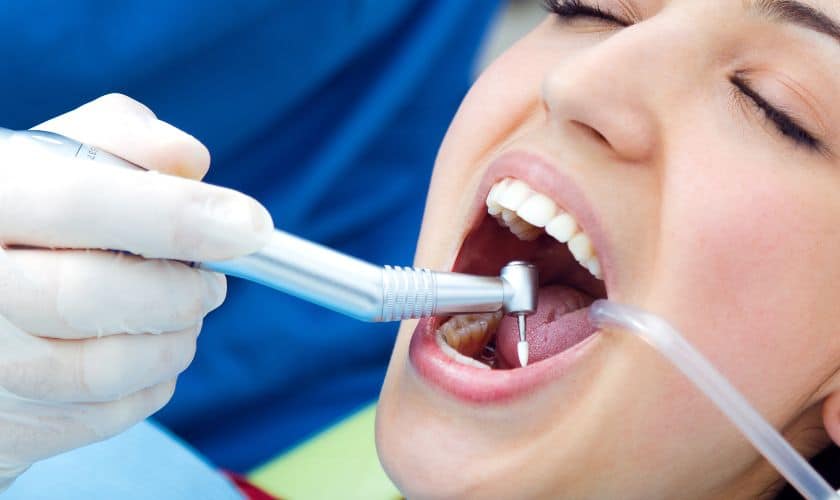
Are you considering a restorative dental procedure but unsure of what to expect? Look no further! In this blog post, we will provide an in-depth overview of what these procedures entail and guide you through every step of the way. From preparation tips to expectations during and after the procedure, we’ve got you covered. So sit back, relax, and get ready to learn everything there is to know about restorative dental procedures.
What is a Restorative Dental Procedure?
A restorative dental procedure is a type of treatment that aims to restore damaged or missing teeth to their natural appearance and function. In other words, it involves repairing teeth that have been damaged by decay, trauma, or disease.
Restorative procedures can range from simple fillings to more complex treatments such as root canals, crowns, bridges, and implants. The specific procedure recommended will depend on the severity of the damage and the patient’s individual needs.
Regardless of which restorative procedure is recommended, patients can expect their dentist to thoroughly explain what will be done during each step of treatment so they feel comfortable throughout the process.
What to Expect During a Restorative Dental Procedure: An Overview
Restorative dental procedures are done to bring back the function and appearance of damaged or missing teeth. The type of restoration needed will depend on the extent of damage, whether it’s a chipped tooth, a decayed tooth, or a lost one.
During your visit with your dentist, they will examine your mouth and recommend what procedure is best for you based on their evaluation. This may include fillings for minor cavities, crowns for larger damaged areas, or implants if a tooth is missing.
Before any work begins on your teeth, local anesthesia may be applied to numb the area being treated so that you won’t feel pain during the procedure. For those who experience anxiety during dental visits, sedation options can be discussed with your dentist.
Once you’re comfortable and numb, the restorative process can begin. Your dentist will carefully remove any decayed portions of your teeth before filling them in with composite resin material that matches the color of your natural teeth. If a crown is necessary, impressions will be taken to create a mold for fitting and placement at another visit.
Each situation varies from patient to patient depending on their individual needs but trust that there are ways available today to give patients more comfort than ever before while undergoing restorative dental procedures!
How to Prepare for a Restorative Dental Procedure: Tips for Patients
Preparing for a restorative dental procedure can be nerve-wracking, but it’s important to take the necessary steps to ensure that everything goes smoothly. To start, make sure you have a clear understanding of the procedure and what it entails. Ask your dentist any questions you may have beforehand so that there are no surprises on the day of.
It’s also crucial to disclose all medications and medical conditions to your dentist prior to the procedure. Certain medications or health issues may affect how the procedure is performed, so it’s essential for your safety that your dentist is aware of them.
On the day of, try to arrive at least 15 minutes early in case there is any paperwork or last-minute instructions from your dentist. It’s also a good idea to wear comfortable clothing and avoid eating anything too heavy before the appointment.
By taking these steps, you can feel more confident heading into a restorative dental procedure knowing that you’ve done everything possible to prepare yourself for success.
The Aftermath of a Restorative Dental Procedure: What to Expect
After a restorative dental procedure, patients may experience some discomfort and sensitivity in the treated area. This is completely normal and should subside within a few days. Over-the-counter pain medication can help manage any discomfort.
It’s important to avoid hard or sticky foods for the first few days after the procedure to prevent damage to the restoration. Patients should also continue with their regular oral hygiene routine of brushing twice daily and flossing once daily, being careful around the treated area.
While there may be some short-term discomfort following a restorative dental procedure, it’s important for patients to prioritize proper care of their new restoration to ensure its longevity and effectiveness in improving their overall oral health.
Summary
A restorative dental procedure can help improve the overall health and appearance of your teeth. It’s important to understand what to expect during the procedure and how to prepare beforehand. By following these tips and working with a trusted dentist, you can ensure that your restorative dental procedure goes smoothly and that you achieve the best possible results.
Remember, taking care of your oral health is crucial for maintaining good overall health. If you have any concerns or questions about restorative dental procedures or any other aspects of oral health, don’t hesitate to reach out to your dentist for guidance and support. With proper care and attention, you can enjoy healthy teeth and gums for years to come!