
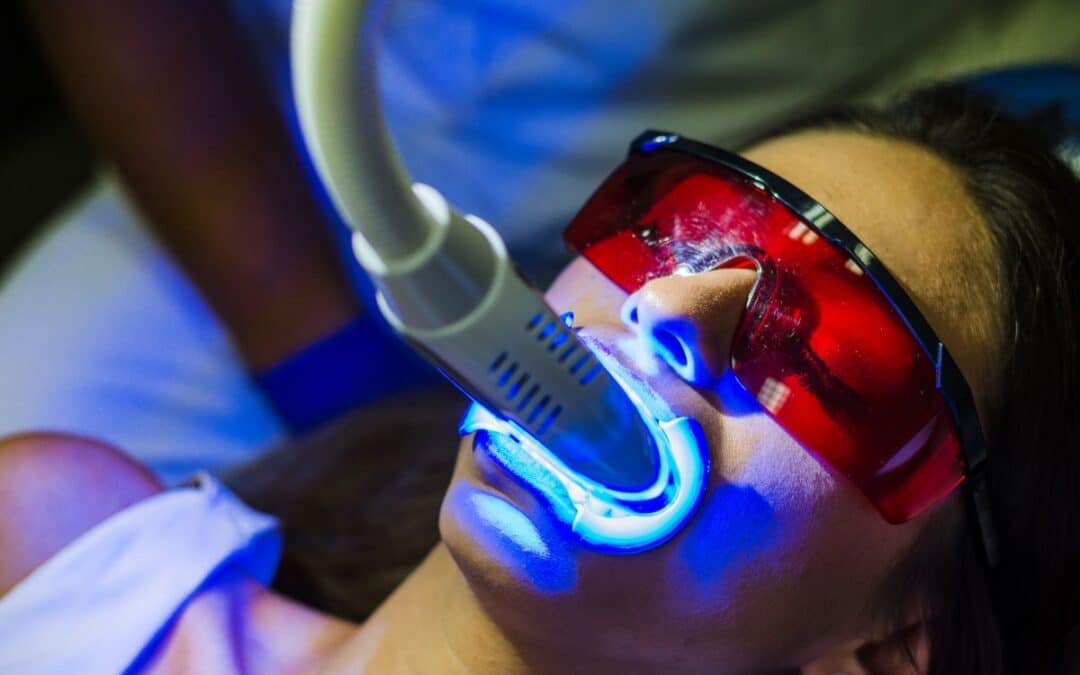
Teeth whitening is a common request among patients looking to improve their smile. However, if you have sensitive teeth, it’s essential to choose the right approach to avoid unnecessary discomfort. As a dental professional, I recommend several methods and products that help patients for teeth whitening with sensitivity achieve a brighter smile safely. Here’s what you need to know.
Why Teeth Whitening Causes Sensitivity
Teeth whitening products typically use ingredients like hydrogen peroxide or carbamide peroxide, which penetrate the enamel to remove stains. In patients with thinner enamel or pre-existing sensitivity, these whitening agents can expose the dentin layer, leading to temporary discomfort. If you experience sensitivity regularly, let your dentist know so they can recommend a suitable approach.
Effective Tips for Whitening Sensitive Teeth
Patients with sensitive teeth can still achieve great results by following these strategies:
- Choose Low-Peroxide Whitening Products
Whitening products with lower concentrations of peroxide are generally gentler on teeth. Look for over-the-counter options specifically labeled for sensitive teeth or ask your dentist for professional-grade alternatives that minimize irritation. - Limit Application Time
Shorter exposure times can reduce sensitivity. If using whitening strips or gels, opt for those with brief application times, or choose custom trays provided by your dentist that allow for better control of peroxide exposure. - Use Desensitizing Toothpaste in Advance
Toothpastes formulated for sensitive teeth contain ingredients like potassium nitrate, which help calm tooth nerves. Using these a few weeks before whitening can prepare your teeth and reduce discomfort. - Avoid Acidic Foods and Drinks
Acidic foods and beverages weaken enamel, increasing the risk of sensitivity. If you’re planning a whitening treatment, limit acidic drinks like soda, coffee, and citrus juices both before and after treatment to help protect your teeth.
Recommended Teeth Whitening Options for Sensitive Teeth
Certain whitening treatments are better suited for sensitive teeth. Here are some effective options:
- In-Office Whitening
In-office whitening allows for controlled application, which minimizes the risk of sensitivity. Your dentist can customize the treatment to suit your needs, including using protective gels on your gums and lower-strength whitening agents. - Customized Whitening Trays
Custom trays allow you to apply professional-grade whitening gel at home with your dentist’s guidance. These trays ensure even distribution and lower exposure to the gums, helping to reduce sensitivity. - Natural Whitening Alternatives
Natural options like baking soda or hydrogen peroxide rinses can offer mild whitening effects. However, these should be used in moderation, and professional guidance is recommended to avoid enamel damage.
Managing Sensitivity After Whitening
If you experience mild sensitivity after whitening, it typically subsides within a day or two. Here are a few recommendations to ease discomfort:
- Rinse with Warm Salt Water
Saltwater can help soothe gums and reduce sensitivity. Mix half a teaspoon of salt in a glass of warm water, then rinse gently. - Avoid Hot and Cold Foods
For a few days post-whitening, stick to foods and drinks at room temperature to avoid triggering sensitivity. - Space Out Whitening Treatments
Give your teeth time to recover by spacing out treatments, particularly if you’re using an at-home kit. A few days between applications can significantly reduce sensitivity.
Final Thoughts
Teeth whitening for sensitive teeth can be done safely with the right preparation and methods. For long-lasting results without discomfort, consult with your dentist about professional options tailored to sensitive teeth. With guidance, you can enjoy a radiant, comfortable smile.