
If you live in Stillwater, you know how quickly life moves. Between work, family, and everything in between, dealing with a dental procedure like a tooth extraction can feel like a disruption you did not plan for. The good news is that recovery does not have to slow you down for long. With the right aftercare, you can heal comfortably and get back to your routine sooner than expected.
Many patients feel unsure about what happens after a tooth is removed. Some worry about pain, while others wonder how long it will take to heal. The truth is that most of the recovery process depends on how well you care for the area in the first few days. A little attention now can make a big difference in how quickly and smoothly your mouth heals.
What Happens After a Tooth Is Removed
When a dentist removes a tooth, your body immediately begins repairing the area. A blood clot forms in the empty socket, acting as a protective layer over the bone and nerves underneath. This clot is essential for healing.
Over the next several days, your gums begin to close around the site, and new tissue starts to form. While this process is natural, it can be disrupted if the area is not properly cared for. That is why following aftercare instructions matters more than most people realize.
Understanding the Process of Tooth Extraction
Tooth extraction is a routine dental procedure, but it can feel overwhelming if you’re unsure what to expect. The process typically starts with a consultation, where your dentist evaluates your oral health and explains why the tooth needs to be removed.
On the day of the procedure, a local anesthetic is used to numb the area, ensuring a comfortable and pain-free experience. For more complex cases or anxious patients, sedation options may also be available.
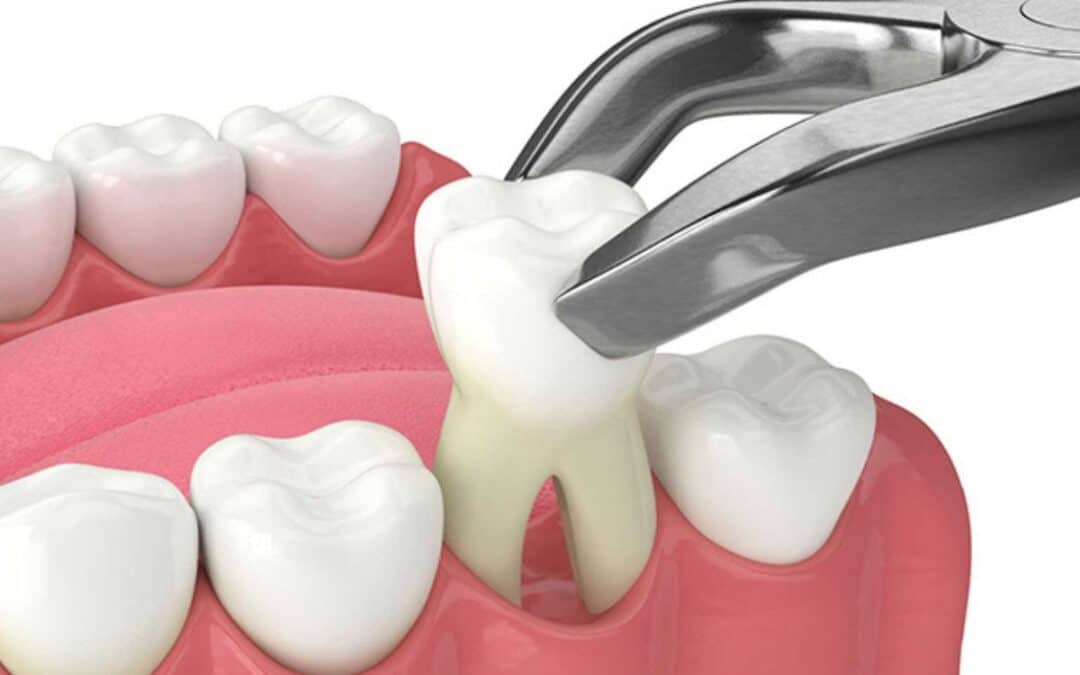
Once the area is numb, the dentist gently loosens the tooth using specialized instruments. In some cases, the tooth may be sectioned into smaller pieces for easier removal. After extraction, you’ll receive detailed aftercare instructions to support proper healing and minimize discomfort.
The First 24 Hours Matter Most
The first day after your procedure sets the tone for your recovery. During this time, your goal should be to protect the clot and avoid irritation.
Rest is important. Try to keep your activity light and avoid anything that raises your heart rate too much. Increased blood flow can cause bleeding at the extraction site.
Bite gently on the gauze provided by your dentist to help control bleeding. If bleeding continues, replacing the gauze and applying light pressure usually helps.
Avoid aggressively rinsing your mouth or forcefully spitting. These actions can dislodge the clot, which may lead to complications.
Managing Pain and Swelling
Some discomfort is expected after a tooth extraction, especially within the first couple of days. The intensity varies depending on the complexity of the procedure and your overall health.
- Apply a cold compress to reduce swelling
- Use it in short intervals for best results
- Take prescribed or over-the-counter medications as directed
Swelling usually peaks within 48 hours and gradually subsides after that. If it worsens rather than improves, it is worth checking in with your dental provider.
What to Eat and What to Avoid
Your diet plays a key role in how quickly you recover. Soft foods are your best option for the first few days. Think of foods that require little to no chewing and will not irritate the area.
Recommended foods:
- Yogurt
- Mashed potatoes
- Applesauce
- Scrambled eggs
- Warm (not hot) soups
Avoid:
- Crunchy or hard foods
- Spicy or acidic items
- Sticky foods
- Drinking through a straw
Hydration is just as important. Drink plenty of water, but avoid using straws. The suction can dislodge the clot and delay healing.
Oral Hygiene After the Procedure
Keeping your mouth clean is essential, but it requires a gentle approach.
You can brush your teeth as usual, but avoid the extraction site for the first day. After that, you can carefully clean around the area without disturbing it.
Rinsing with a mild saltwater solution after 24 hours can help keep the area clean and reduce bacteria. Do this gently and avoid vigorous swishing.
Good oral hygiene supports faster healing and lowers the risk of infection.
What to Avoid During Recovery
Certain habits can interfere with healing and should be avoided after a tooth extraction.
Smoking is one of the biggest risks. It can delay healing and increase the chances of complications. If possible, avoid it entirely during your recovery period.
Alcohol should also be limited, especially if you are taking medication. It can interfere with healing and increase mouth irritation.
Strenuous exercise should be postponed for a few days. Your body needs time to heal, and overexertion can cause unnecessary bleeding.
Signs of Normal Healing vs. Warning Signs
It is helpful to know what is normal and what is not during recovery.
Mild discomfort, slight swelling, and minor bleeding are all part of the healing process. These symptoms should improve steadily over a few days.
However, severe pain that worsens over time, persistent bleeding, or a bad taste in your mouth may indicate a problem. One common issue is dry socket, which occurs when the clot becomes dislodged.
If you notice anything unusual, it is best to contact your dentist promptly. Early attention can prevent more serious complications.
Why Aftercare Makes a Difference
The success of your tooth extraction recovery depends heavily on your aftercare routine. While the procedure itself is straightforward, what you do afterward plays a major role in your comfort and the speed of your healing.
Patients who follow proper aftercare guidelines typically experience fewer complications and a faster return to normal activities.
Ready for a Smooth Recovery?
Taking care of your oral health begins with the right guidance and support. If you need a tooth extraction and have concerns about the recovery process, our team is here to help you every step of the way. At Stillwater Dental Associates, our experienced dental professionals focus on making your recovery smooth, comfortable, and easy to manage.
Visit our dental office in Stillwater today and experience a quicker, smoother recovery after your tooth extraction.
FAQs About Healing After a Tooth Extraction
1. How long does it take to heal after a tooth extraction?
Most people start feeling better within a few days, but complete healing can take a couple of weeks. The gum tissue closes first, while the bone underneath takes longer to fully heal. Following aftercare instructions can speed up the process.
2. Can I brush my teeth after the procedure?
Yes, but you should avoid the extraction site for the first 24 hours. After that, brush gently around the area without applying pressure. Keeping your mouth clean helps prevent infection and supports healing.
3. What should I do if bleeding does not stop?
Some bleeding is normal during the first day. Bite down on clean gauze and apply gentle pressure. If it continues for several hours or becomes heavy, contact your dentist for advice.
4. When can I return to normal eating habits?
You can gradually return to your normal diet after a few days, depending on how you feel. Start with soft foods and slowly introduce firmer options as the area heals and becomes less sensitive.
5. Is swelling normal after tooth removal?
Yes, swelling is common and usually peaks within two days. Applying a cold compress and resting can help reduce it. If swelling increases after several days, it may need professional evaluation.
6. What is dry socket and how can I avoid it?
Dry socket occurs when the blood clot at the extraction site is lost too early. It can cause significant pain. Avoid smoking, using straws, and rinsing aggressively to reduce the risk.
7. When should I call my dentist after a tooth extraction?
You should reach out if you experience severe pain, prolonged bleeding, swelling that worsens, or signs of infection. It is always better to check early rather than wait and risk complications.