
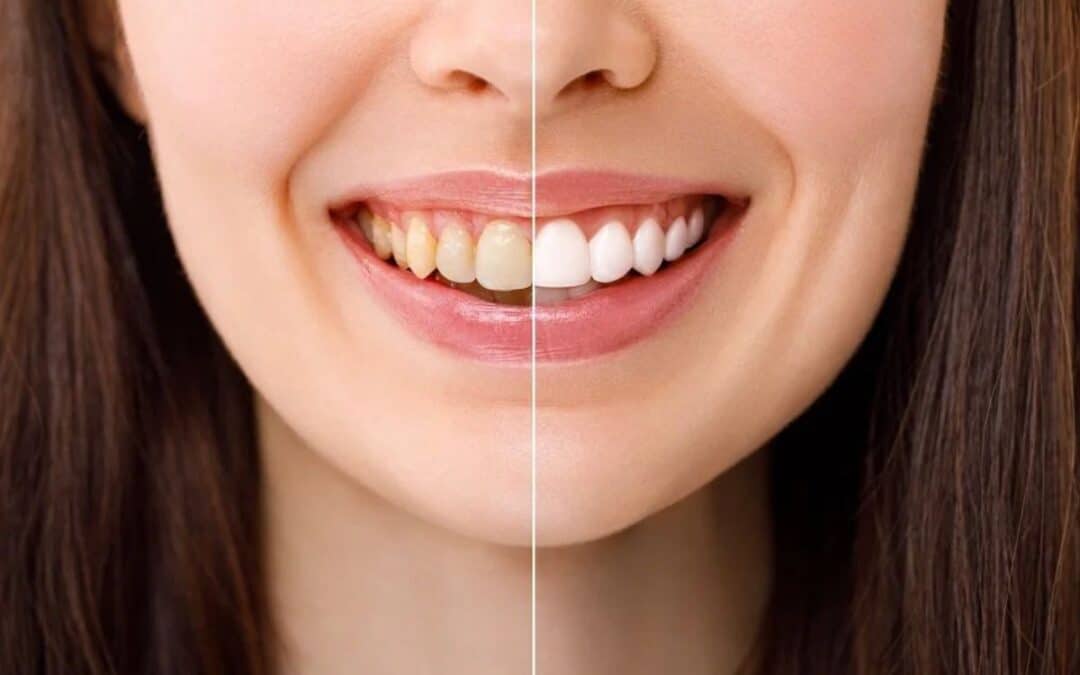
A bright smile often leaves a lasting impression, but many people notice their teeth becoming darker or more yellow over time. Tooth discoloration is extremely common and can occur gradually due to aging, lifestyle habits, diet, or natural changes in tooth structure.
While yellow teeth may sometimes cause embarrassment or lower self-confidence, they do not always indicate poor oral health. In many cases, discoloration is simply the result of stains on the enamel or changes occurring beneath the surface of the teeth.
Understanding the causes of yellow teeth can help you make informed decisions about prevention and teeth whitening treatment.
Understanding the Natural Shade of Teeth
Many people assume healthy teeth should appear perfectly white, but natural teeth are rarely pure white. Teeth contain multiple layers that influence their appearance.
The outer layer, called enamel, is slightly translucent. Beneath the enamel lies dentin, which naturally has a yellowish tone. When enamel becomes thinner or stained, the dentin underneath becomes more visible, making teeth appear darker or yellower. This process occurs naturally with age and is one of the most common reasons adults notice changes in their teeth’s color over time.
Common Reasons Teeth Become Yellow
Several factors can contribute to tooth discoloration. Some causes are related to everyday habits, while others occur naturally due to aging or genetics.
Foods and Drinks That Stain Teeth
Certain foods and beverages contain strong pigments that can cling to tooth enamel and create stains over time. Frequent exposure to these substances may gradually dull the brightness of your smile.
Common staining foods and drinks include:
- Coffee
- Tea
- Red wine
- Dark sodas
- Tomato-based sauces
- Soy sauce
- Berries
Acidic beverages can also weaken enamel, making teeth more vulnerable to discoloration.
Tobacco Use and Nicotine Stains
Smoking cigarettes or using chewing tobacco is another major cause of yellow teeth. Tobacco products contain tar and nicotine, both of which can deeply stain enamel. These stains often become more noticeable over time and may be difficult to remove with brushing alone. Tobacco use can also increase the risk of gum disease and other oral health problems.
Inconsistent Oral Hygiene Habits
Brushing and flossing regularly are essential for maintaining a clean, healthy smile. When plaque and bacteria build up on the teeth, they can create a yellow or dull appearance. If plaque is not removed properly, it can harden into tartar, which may appear yellow or brown and usually requires professional cleaning to remove.
Aging and Enamel Thinning
As people age, enamel naturally wears down from years of chewing, brushing, and exposure to acidic foods and drinks. Thinner enamel allows more of the yellow dentin underneath to show through. This gradual enamel loss is a normal part of aging and commonly contributes to darker-looking teeth in older adults.
Medications and Medical Conditions
Certain medications can affect tooth color. Some antibiotics taken during childhood while teeth are developing may cause internal discoloration. Other medications may reduce saliva production, leading to dry mouth and increasing the likelihood of stains and plaque buildup. Some medical treatments, including chemotherapy and radiation therapy, can also affect tooth appearance.
Genetics and Natural Tooth Color
Genetics can influence the natural brightness of your teeth. Some people naturally have thicker enamel, while others may have teeth that appear slightly darker or more yellow, even with excellent oral hygiene.
Everyday Habits That Help Prevent Tooth Discoloration
Although some causes of yellow teeth cannot be completely avoided, several healthy habits can help reduce staining and maintain a brighter smile.
Brush and Floss Consistently
Brushing at least twice a day with fluoride toothpaste helps remove plaque and surface stains before they become more noticeable. Daily flossing also helps clean between teeth where stains and bacteria can accumulate.
Rinse With Water After Meals
Drinking water after consuming coffee, wine, tea, or staining foods can help wash away pigments before they settle on the enamel.
Limit Tobacco Products
Avoiding smoking and tobacco use not only helps protect tooth color but also supports overall oral and general health.
Schedule Routine Dental Cleanings
Professional dental cleanings help remove plaque and tartar that regular brushing cannot eliminate. Routine cleanings also allow your dentist to monitor your oral health and identify discoloration concerns early.
Teeth Whitening Treatments That Can Improve Your Smile
If your teeth have already developed noticeable stains, several whitening options may help restore a brighter appearance.
Professional In-Office Teeth Whitening
Professional teeth whitening treatments performed by dental professionals are among the fastest and most effective solutions for removing stains.
These treatments use powerful whitening agents that safely break down discoloration on the enamel. Because the process is supervised by experienced professionals, patients often achieve more even and noticeable results compared to store-bought products.
Many people consider professional whitening the best teeth-whitening treatment for achieving safe, reliable, and long-lasting results.
Custom Take-Home Whitening Trays
Some dental offices offer take-home whitening systems that include custom-made trays and professional-strength whitening gel. These trays are designed to fit comfortably over your teeth, helping distribute the whitening solution evenly while reducing irritation to the gums.
Custom whitening kits allow patients to whiten their teeth gradually from home while still receiving professional guidance.
Over-the-Counter Whitening Products
There are also many whitening products available in stores, including:
- Whitening toothpaste
- Whitening strips
- Whitening mouth rinses
- Whitening pens
While these products may help reduce mild surface stains, results are often less dramatic and may take longer to appear.
When to Talk to a Dentist About Yellow Teeth
Not all discoloration responds the same way to whitening treatments. Some stains are located on the enamel surface, while others develop deeper within the tooth structure.
A dental examination can help determine:
- The cause of discoloration
- Whether whitening treatments are appropriate
- Which whitening method may provide the best results
- If other cosmetic treatments may be recommended
In some situations, veneers or bonding may be more effective for improving the appearance of severely stained teeth.
Tips for Maintaining Whiter Teeth After Treatment
After whitening treatment, maintaining good habits can help preserve your results for longer.
Helpful tips include:
- Reduce intake of staining foods and beverages
- Use a straw when drinking dark-colored drinks
- Brush and floss daily
- Avoid smoking or tobacco products
- Keep up with regular dental checkups and cleanings
- Follow any post-whitening instructions provided by your dentist
Small daily habits can make a significant difference in keeping your smile brighter over time.