
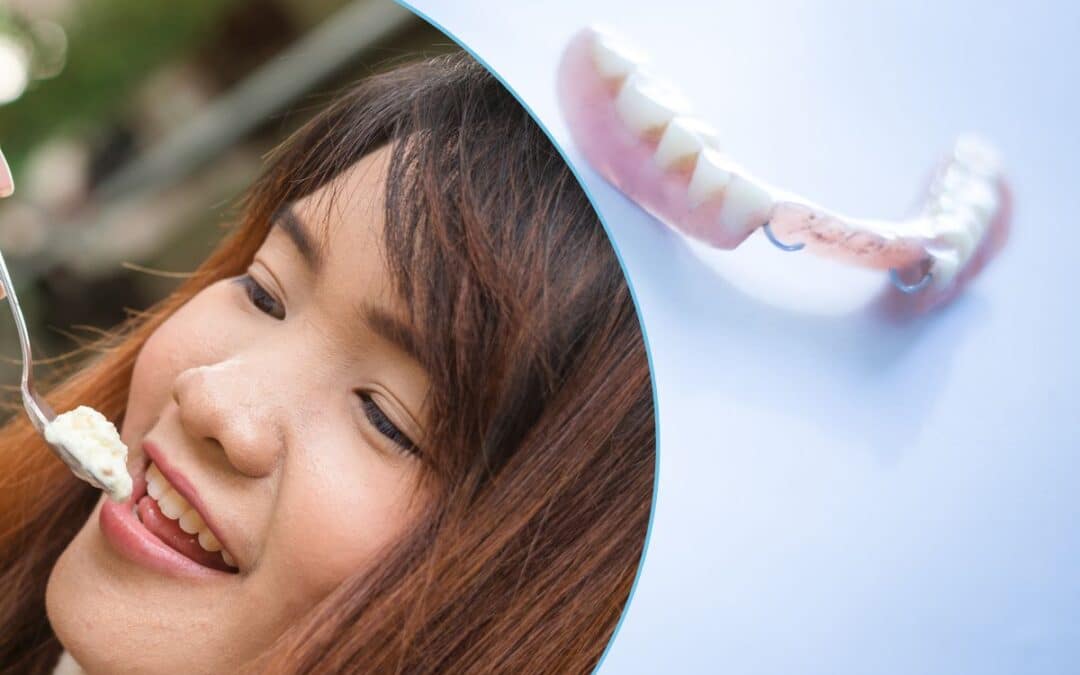
Eating with upper partial dentures can be a challenge initially, but with time and practice, you can enjoy your meals just like before. Whether you are new to dentures or looking to improve your eating habits, this guide will provide practical tips and advice to help you adapt.
What Are Upper Partial Dentures?
Upper partial dentures are a type of dental prosthesis used to replace missing teeth on the upper jaw. They are designed to fit comfortably and securely in your mouth, allowing you to speak and eat with ease. These dentures are typically made from a combination of acrylic, metal, and plastic, providing a natural appearance that blends seamlessly with your existing teeth.
Benefits of Upper Partial Dentures
Upper partial dentures offer several benefits, including:
1. Improved Appearance: They restore the natural look of your smile, enhancing your overall facial aesthetics.
2. Better Functionality: They help you chew and speak more effectively.
3. Oral Health: They prevent the remaining teeth from shifting and becoming misaligned.
4. Confidence Boost: A full smile can improve your self-esteem and confidence.
Tips for Eating with Upper Partial Dentures
Adapting to eating with upper partial dentures requires patience and practice. Here are some tips to help you get started:
1. Start with Soft Foods
When you first receive your dentures, it’s essential to begin with soft foods. This allows you to get used to the feel of the dentures without putting too much pressure on your gums. Some recommended soft foods include:
- Mashed potatoes
- Yogurt
- Applesauce
- Scrambled eggs
- Pudding
2. Cut Food into Small Pieces
Cutting your food into smaller, bite-sized pieces can make it easier to chew and swallow. This reduces the risk of your dentures becoming dislodged while eating. Use a knife and fork to cut meats, vegetables, and fruits into manageable pieces.
3. Chew Slowly and Evenly
Chewing slowly and evenly is crucial when eating with upper partial dentures. Take your time to thoroughly chew each bite, ensuring that you use both sides of your mouth equally. This helps distribute the pressure evenly and prevents your dentures from shifting.
4. Avoid Sticky and Hard Foods
Certain foods can be challenging to eat with dentures and may cause discomfort or damage. Avoid sticky foods like caramel and gum, as they can adhere to your dentures and be difficult to remove. Similarly, hard foods like nuts and hard candies should be avoided as they can cause your dentures to shift or even break.
5. Practice Biting and Chewing
Practice makes perfect when it comes to eating with upper partial dentures. Start by practicing biting and chewing with easier foods and gradually work your way up to more challenging textures. Over time, you will become more comfortable and confident in your ability to eat a variety of foods.
Maintaining Your Dentures
Proper maintenance of your dentures is essential for their longevity and your oral health. Here are some tips to keep your dentures in good condition:
1. Clean Your Dentures Daily
Just like natural teeth, dentures need to be cleaned daily to remove food particles and prevent plaque buildup. Use a soft-bristled toothbrush and non-abrasive denture cleaner to gently clean your dentures. Avoid using regular toothpaste, as it can be too abrasive and cause scratches.
2. Soak Your Dentures Overnight
Soaking your dentures overnight in a denture-cleaning solution helps to keep them moist and prevents them from drying out. It also helps to remove any remaining bacteria and stains. Always follow the manufacturer’s instructions for soaking your dentures.
3. Regular Dental Checkups
Regular dental checkups are crucial for maintaining your dentures and overall oral health. Your dentist will check the fit of your dentures and make any necessary adjustments. They can also provide professional cleaning and address any issues that may arise.
Common Challenges and Solutions of Wearing Dentures
Eating with upper partial dentures can present some challenges. Here are a few common issues and their solutions:
1. Difficulty Chewing
If you find it difficult to chew with your dentures, try adjusting the types of foods you eat and how you prepare them. Opt for softer foods and cut them into smaller pieces. If the problem persists, consult your dentist for advice and possible adjustments to your dentures.
2. Soreness and Discomfort
It’s normal to experience some soreness and discomfort when you first start wearing dentures. This should subside as your mouth adjusts. In the meantime, rinse your mouth with warm salt water to soothe any irritation. If the discomfort continues, see your dentist for an evaluation.
3. Speaking Issues
Some people experience difficulty speaking clearly when they first get dentures. Practice speaking slowly and enunciating your words. Reading aloud and speaking in front of a mirror can also help you adjust. With time, your speech will improve.
Eating with upper partial dentures can be a learning curve, but with patience and practice, you can enjoy a wide variety of foods comfortably. Remember to start with soft foods, chew slowly and evenly, and avoid sticky and hard foods. Proper maintenance and regular dental checkups are essential for keeping your dentures in good condition. By following these tips, you can confidently enjoy your meals and maintain your beautiful smile.