
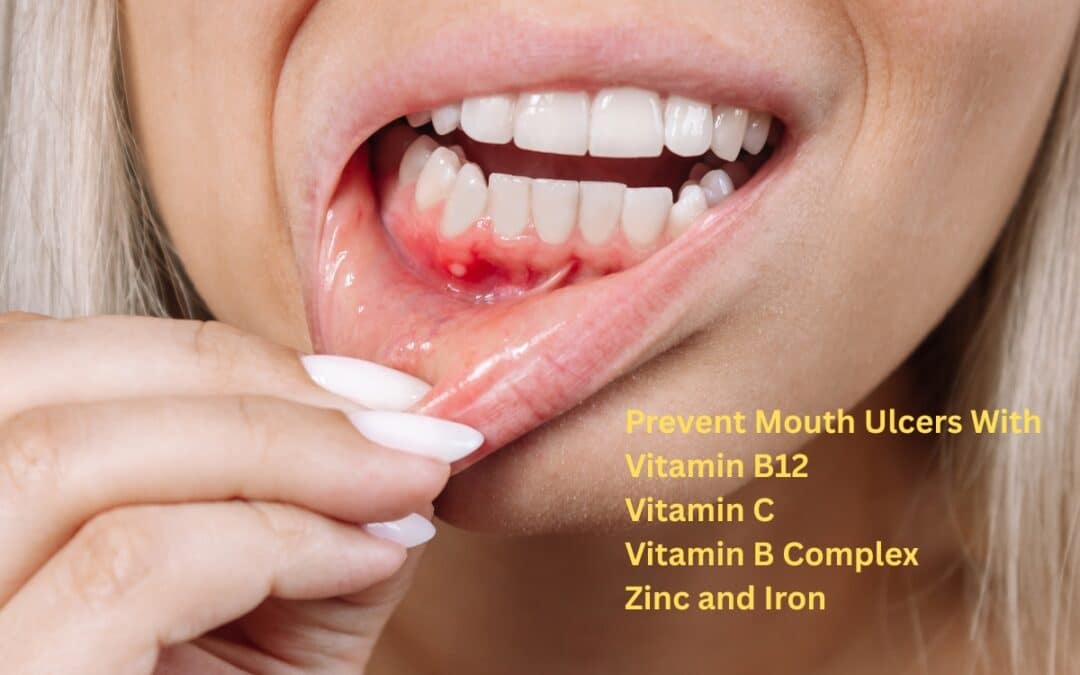
Mouth ulcers may look small, but they can cause significant pain and discomfort. They interfere with eating, speaking, and overall confidence. While stress, injuries, or medical conditions may trigger ulcers, vitamin deficiencies often play a significant role. The proper nutrients can reduce recurrence and promote faster healing. Let’s explore how vitamins protect your mouth and keep ulcers away.
Why Vitamins Matter for Mouth Health
Your mouth requires specific vitamins to maintain healthy tissues and fight infections. Deficiencies in key vitamins weaken your body’s defenses, making you prone to frequent ulcers. Ensuring your diet includes the proper nutrients can prevent painful sores and improve oral health.
Vitamin B12: Essential for Healing
A lack of Vitamin B12 is strongly linked to recurring mouth ulcers. This vitamin supports red blood cell production and repairs oral tissues. Meat, eggs, fish, and fortified cereals are excellent sources. Supplements help you maintain adequate levels if you’re a vegetarian or vegan.
Vitamin C: Strengthening Oral Tissues
Vitamin C keeps gums and oral tissues strong. Low levels can slow healing and increase sensitivity, making ulcers worse. Citrus fruits, strawberries, and bell peppers are rich in Vitamin C. Including these foods daily strengthens your immunity and protects your mouth from infections.
Vitamin B Complex: Reducing Ulcer Frequency
Other B vitamins, such as B2, B6, and folate, play a crucial role in reducing ulcer outbreaks. These vitamins support cell growth, repair, and metabolism. Whole grains, leafy greens, and legumes provide a natural supply. A balanced intake of B vitamins helps your mouth stay resilient against irritation.
Vitamin D: Supporting Immunity
Vitamin D contributes to a strong immune system, preventing ulcers from recurring. Sun exposure is the most natural source, while fatty fish and fortified dairy help. Regular Vitamin D intake ensures your body can fight infections effectively and heal faster.
Zinc and Iron: Additional Support
Though not vitamins, zinc and iron deficiencies often trigger mouth ulcers. Iron supports oxygen transport in blood, while zinc aids tissue repair. Red meat, beans, and nuts are excellent sources of these minerals. Maintaining proper levels of these minerals keeps oral tissues healthy.
Lifestyle and Professional Support
Besides nutrition, lifestyle changes also prevent ulcers. Stay hydrated, manage stress, and avoid spicy foods that irritate sores. If ulcers persist, consult a professional. A trusted dentist in Stillwater can help identify underlying causes and recommend personalized treatment.
FAQ
Q1. Which vitamin deficiency causes mouth ulcers most often?
Vitamin B12 deficiency is most commonly linked to recurring mouth ulcers. Low folate and Vitamin C levels may also contribute.
Q2. Can taking supplements stop mouth ulcers completely?
Supplements can help if your diet lacks vitamins, but they may not prevent ulcers caused by stress or injuries.
Q3. How long do mouth ulcers usually last?
Most ulcers heal within 7–14 days. Adequate vitamin intake may shorten healing time and reduce discomfort.
Q4. Are children prone to vitamin deficiency mouth ulcers?
Yes, especially if their diet lacks B vitamins, iron, or Vitamin C. Balanced meals reduce their risk significantly.
Q5. When should I see a dentist about mouth ulcers?
If ulcers are frequent, unusually large, or don’t heal within two weeks, consult a dentist for evaluation.