
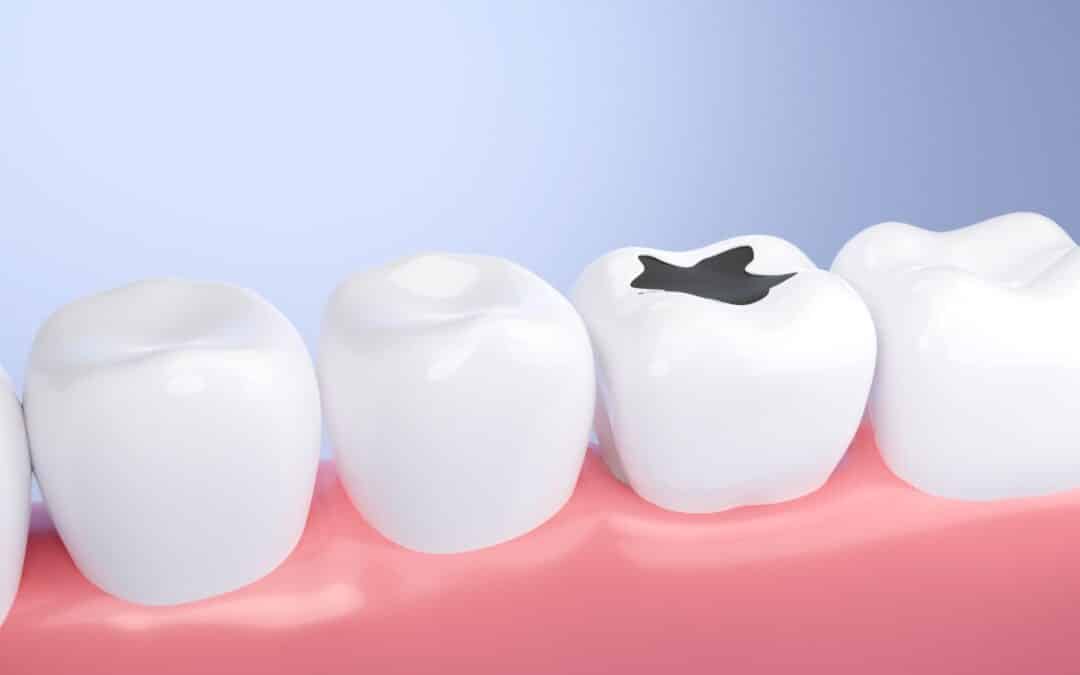
Tooth decay is one of the most common dental problems affecting people of all ages. It begins quietly and often goes unnoticed until pain or damage becomes more severe. Understanding how tooth decay develops, recognizing symptoms early, and knowing how to prevent it can help protect your smile for years to come.
What Is Tooth Decay?
Tooth decay develops when the enamel—the protective outer layer of the tooth—begins to break down due to bacteria and acid. When sugars and starches in our food interact with bacteria in our mouths, they form a sticky film called plaque. Over time, this plaque produces acids that gradually wear away the enamel, which can then lead to cavities. If left untreated, the decay can spread deeper into the tooth, leading to infection and severe pain.
Early Signs and Symptoms of Tooth Decay
Early detection is key to preventing serious dental problems. These early tooth decay symptoms often appear before cavities become visible:
-
White or brown spots on the tooth surface
-
Tooth sensitivity when eating hot, cold, or sweet foods
-
Mild discomfort that comes and goes
-
Rough or chalky texture on the tooth enamel
These initial caries symptoms indicate the enamel is starting to weaken. Detecting cavities early allows for easier and less invasive treatment.
Advanced Symptoms of Tooth Decay
When decay progresses to later tooth decay stages, symptoms become more noticeable:
-
Persistent toothache or throbbing pain
-
Visible holes or pits in the teeth
-
Pain when chewing or biting down
-
Swelling or infection near the gum line
At this point, the pain from cavities may require restorative dental care or more advanced treatment to protect the tooth.
Common Causes of Tooth Decay
Tooth decay can develop due to several factors, including:
-
Poor oral hygiene habits, such as irregular brushing or flossing
-
Frequent consumption of sugary or acidic snacks and drinks
-
Plaque buildup from bacteria
-
Dry mouth (low saliva production)
-
Lack of fluoride protection through toothpaste or treated drinking water
Understanding the effects of sugar and acids on teeth can help reduce enamel breakdown and protect dental health.
Risk Factors to Be Aware Of
Confident lifestyle choices and health issues increase the risk factors for cavities, such as:
-
High-sugar diets
-
Smoking or tobacco use
-
Acid reflux
-
Genetics and family history
-
Wearing braces or aligners without proper cleaning
Children, teens, and older adults are often at higher risk due to variations in saliva production and brushing habits.
How Tooth Decay Is Diagnosed
Detecting decay early is essential. An experienced dentist will examine your teeth visually and may use X-rays to identify internal damage not visible on the surface. Routine dental checkups and cleaning appointments help monitor enamel health and catch minor issues before they become painful.
Prevention Tips for a Healthy Smile
Preventive care is the most effective way to avoid decay. To maintain strong and healthy teeth in Stillwater, follow these steps:
-
Brush twice daily using proper brushing techniques
-
Floss once a day to remove bacteria between teeth
-
Use fluoride toothpaste or mouth rinses for enamel demineralization protection
-
Limit sugary snacks and acidic drinks
-
Drink plenty of water to wash away bacteria
-
Schedule preventive dental care in Stillwater for regular cleanings and exams
Small daily habits can help reverse early signs of decay before they become cavities.
Treatment Options for Tooth Decay
If a cavity has formed, treatment is necessary to stop bacteria from spreading. Treatment options include:
Fluoride treatments to strengthen enamel in the early stages
Dental fillings to restore areas where decay has removed enamel
Crowns are placed if the tooth structure is weakened
Root canal therapy is necessary in severe cases where decay reaches the inner pulp
A dentist in Stillwater can determine the best treatment based on the level of decay and the tooth’s condition.
When to See a Dentist
- Visit a dentist if you experience:
- Ongoing tooth sensitivity
- Pain while eating
- Visible dark spots or holes in your teeth
- Gum swelling or bleeding
Seeking care early prevents complications and helps ensure long-term oral health.
Schedule Your Routine Dental Checkups in Stillwater, OK
Tooth decay is preventable when you understand its signs, causes, and prevention strategies. Maintaining good hygiene habits, reducing sugar intake, and scheduling routine dental visits help keep your teeth strong for life. For personalized and gentle dental care, book a consultation today with Stillwater Dental Associates.
Tooth Decay FAQs You Should Know
1. What causes tooth decay to start?
Sugar, bacteria, and poor brushing habits trigger enamel breakdown.
2. How do I know if I have early tooth decay?
Watch for white spots, mild sensitivity, or rough enamel.
3. Can tooth decay go away on its own?
Early enamel damage can improve with fluoride, but cavities must be treated.
4. Why do cavities cause pain?
Decay reaches deeper layers of the tooth, irritating nerves.
5. Does diet affect tooth decay?
Yes, sugary and acidic foods increase the risk of cavities.
6. How often should I see a dentist to prevent decay?
Twice a year for routine cleanings and exams.
7. Can brushing more stop existing cavities?
Brushing prevents future decay, but doesn’t fix existing cavities—treatment is needed.