
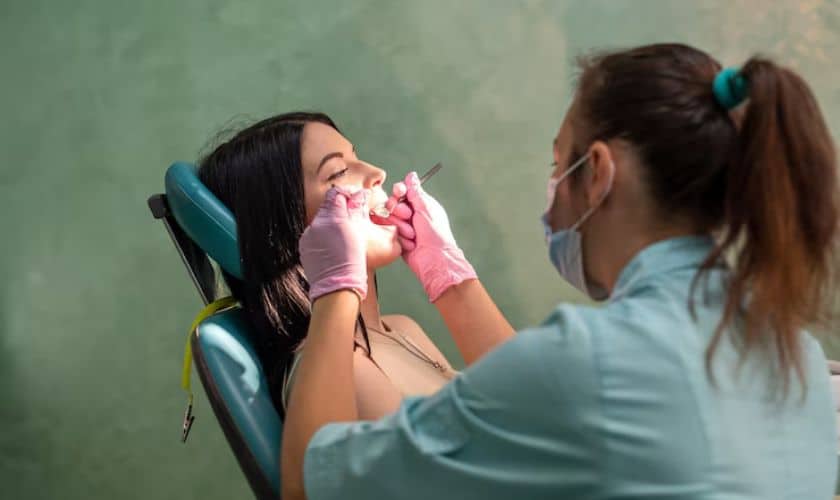
Oral cancer, also known as mouth cancer, is a serious condition that affects the tissues of the mouth. While not as common as some other cancers, it’s crucial to be aware of the signs and symptoms and seek treatment promptly. If you’re diagnosed with oral cancer, several treatment options are available, each with its benefits and drawbacks. This blog post will explore the most common treatment options for oral cancer, helping you understand what to expect.
Treatment Options for Oral Cancer
The specific treatment plan for oral cancer will depend on various factors, including the stage and location of the cancer, your overall health, and your preferences. Here’s a closer look at the most common treatment options:
1. Surgery: Surgery is often the primary treatment for oral cancer, particularly in its early stages. The type of surgery will depend on the size and location of the tumor. In some cases, the surgery may involve removing the cancerous tissue along with a margin of healthy tissue to ensure complete removal.
- Reconstructive Surgery: Following surgery, reconstructive surgery may be necessary to restore function and appearance. This can involve using skin grafts or flaps from other parts of the body.
- Dental Considerations: Depending on the location and extent of oral surgery, your dentist may need to be involved in your treatment plan. They can help ensure proper dental hygiene post-surgery and address any dental issues that may arise due to the surgery or its impact on the mouth.
2. Radiation Therapy: Radiation therapy uses high-energy X-rays or other forms of radiation to kill cancer cells. It can be used as the primary treatment for some oral cancers, or it may be used after surgery to destroy any remaining cancer cells. Radiation therapy can be delivered externally, from a machine outside the body, or internally, through radioactive implants placed near the tumor.
- Side Effects: Radiation therapy can cause side effects, such as dry mouth, difficulty swallowing, and changes in taste. These side effects can usually be managed with medication and other supportive care measures.
3. Chemotherapy: Chemotherapy uses powerful drugs to kill cancer cells throughout the body. It is often used in combination with radiation therapy (chemoradiation) to treat more advanced oral cancers. Chemotherapy can be given through an IV (intravenous) line or taken orally as pills.
- Side Effects: Chemotherapy can cause a variety of side effects, including nausea, vomiting, fatigue, and hair loss. These side effects are usually temporary and go away after treatment is completed.
4. Targeted Therapy: Targeted therapy drugs are a newer type of cancer treatment that targets specific molecules involved in the growth and spread of cancer cells. These drugs may be an option for some people with advanced oral cancer or for those whose cancer has recurred after other treatments.
- Benefits: Targeted therapy drugs can be more effective than traditional chemotherapy drugs and may cause fewer side effects.
-
Immunotherapy: Immunotherapy helps your body’s immune system fight cancer. It is a relatively new treatment option for oral cancer, but it may be an option for some people with advanced or recurrent cancer.
- How it Works: Immunotherapy drugs work in different ways, but they all aim to boost the immune system’s ability to recognize and attack cancer cells.
Additional Considerations
Following cancer treatment, regular follow-up appointments with your doctor and dentist are crucial. These appointments allow your doctor to monitor for any signs of recurrence and manage any long-term side effects of treatment. Maintaining good oral hygiene is also essential after treatment for oral cancer. Brushing and flossing regularly and seeing your dentist for regular checkups can help prevent further problems.
Oral cancer is a serious condition, but with early detection and treatment, the chances of successful treatment are good. If you have any concerns about oral cancer, talk to your dentist. Early detection is key to successful treatment.